
My Dream Amps? The Burson Voyager Timekeeper Mono Blocks.
By Steve Huff
With some of the HiFi realm going towards all in one units and lifestyle products these days there are still those out there making tried and true modern day mono block amplifiers. A pair of amps, one to power each speaker, housed in two boxes. This not only delivers the all out best sound quality without crosstalk or interference between channels but also makes it easier to set up, ion some cases. With mono amplifiers I can keep them closer to the speaker, thus, needing shorter speaker cable lengths. Over the years I have mostly been into integrated amps and stereo amps, with an occasional fling with mono amps.
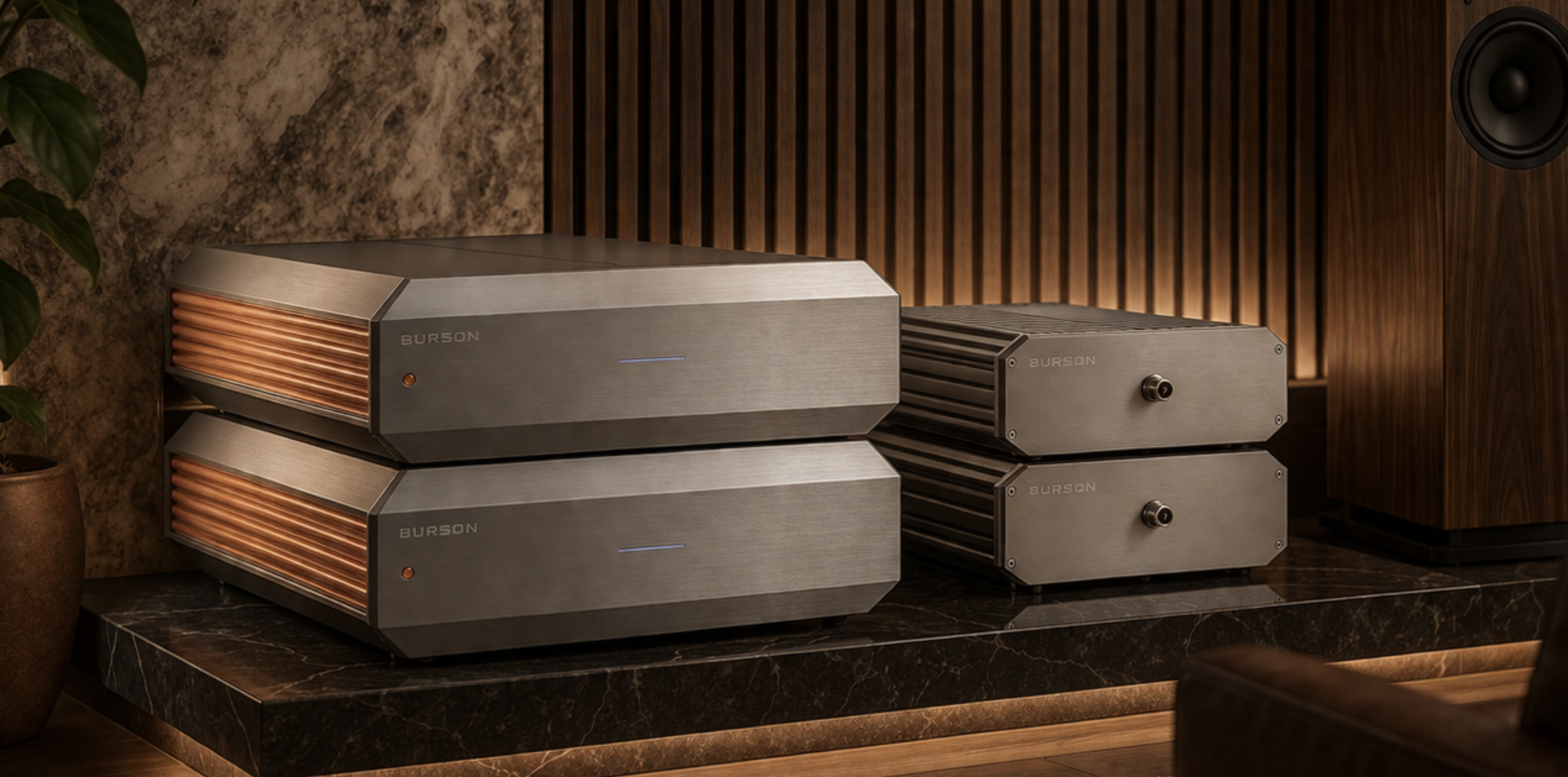
The set I will be talking about today is from the somewhat small Australian brand Burson. I say small as the company is comprised of audio lovers, under 40 of them from what I have heard. Burson is not a mass market brand, more “small batch” and they focus on putting out quality sound with quality design and these Voyager Timekeeper amps are a perfect example of the brands desire to go further and deeper into high performance.
My past experience with Burson was with their Soloist headphone amp which also happened to be a preamp. That was over 2 years ago now but it was and is a super product if you love headphones. It’s an endgame kind of thing. I enjoyed that Soloist but I am not big into headphones or head amps myself. The mono amps I will be taking about today are a different story and I more than “liked” them. In fact, after many weeks with them in the system I cannot seem to pull myself away.

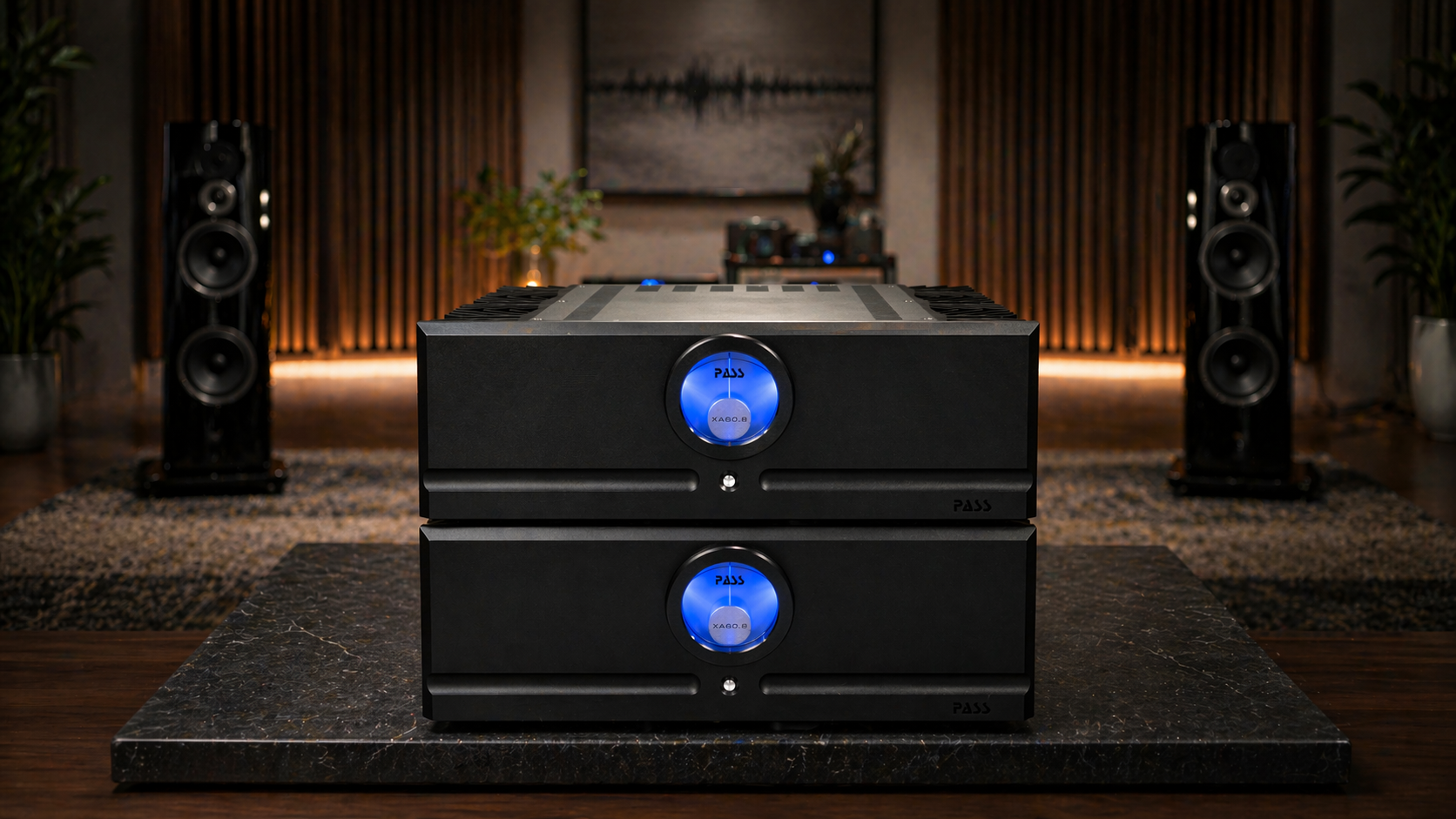
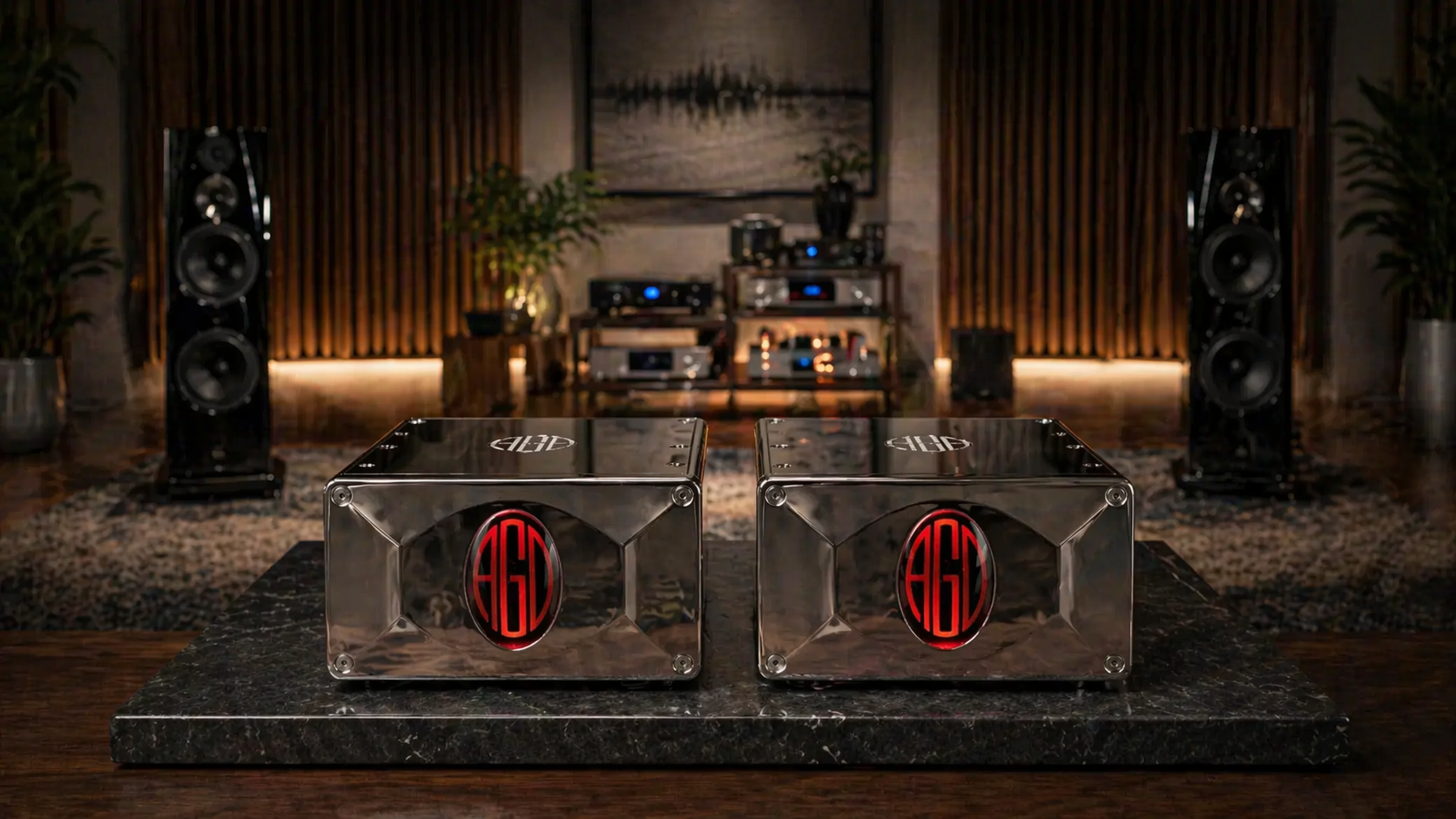
Before I get to my full thoughts on these Burson amps let me say that I have had a few mono amps in this space over the years but the ones that stick with my memory the most are the Pass Labs XA 60.8 for Class A, the AGD Duets for Class D and the Modwright KWA99 mono amps for the Class A and A/B lane.
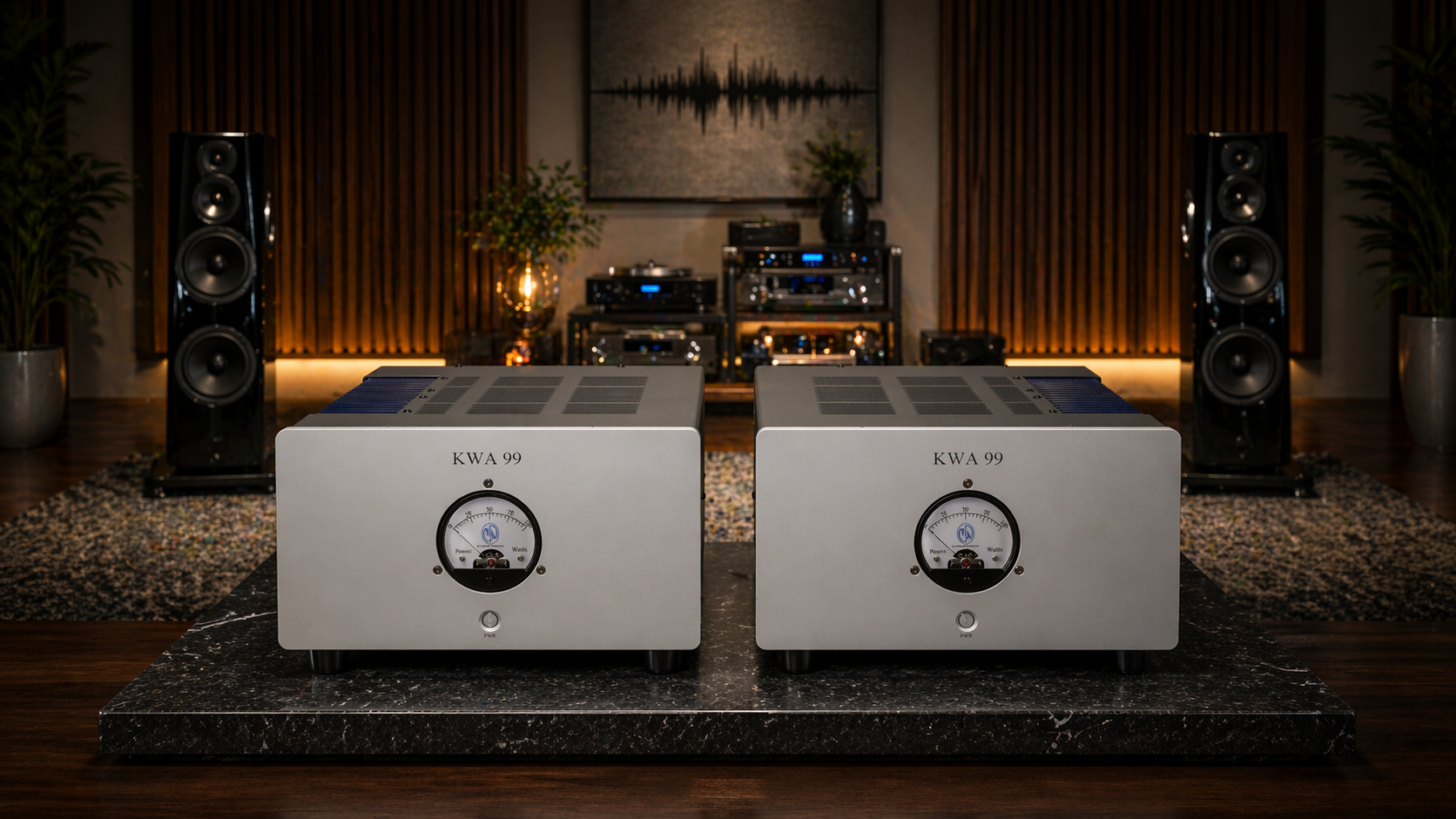

These three are all very special in their own ways. I love the Pass Labs for its solidity yet gentleness and warm caress and yes, there is some color added. I enjoyed the AGD Duets for their striking design and clean, fast and ever so detailed yet soulful sound. The ModWright KWA99’s for their all out open soundstage, rich bass and gorgeous midrange. Those KWA 99’s also have an amazing design with the glowing meter in the front.
The AGD are silent in operation as they do not have the typical transformer inside as do the Pass and KWA’s, which both would give me some hum from time to time back when I had them. Slight hum.
All in all I enjoyed those amps for the way they sounded. So refined, musical and well, beautiful. If I had to pick a fave I probably couldn’t do it. Today’s mono amps from Burson are another one to add to the very special list for me and in fact, these powerhouse marvels now sit right at the top as my fave in the mono world of all I have tested and owned. I will tell you why here but first let’s chat about the specs of these amplifiers and what makes them so unique.

The Timekeeper Voyagers are two boxes, so yea, you need one amp for each speaker. The benefit of mono amps is that the signal is 100% separated from each other so left stays left, right stays right. No bleeding over into each other but I must say, I think that ended in the 1970’s as the stereo amps of today can be stunning, silent and not bring any kind of offensive interference.
Even so a set of mono amps is said to be superior to a single box stereo for all kinds of reasons and I really cannot argue with this. Looking back, those mono block amps I spoke of above (KWA, DUET, 60.8) were all pretty awesome to have here and stuck with my memory as to just how good they are.
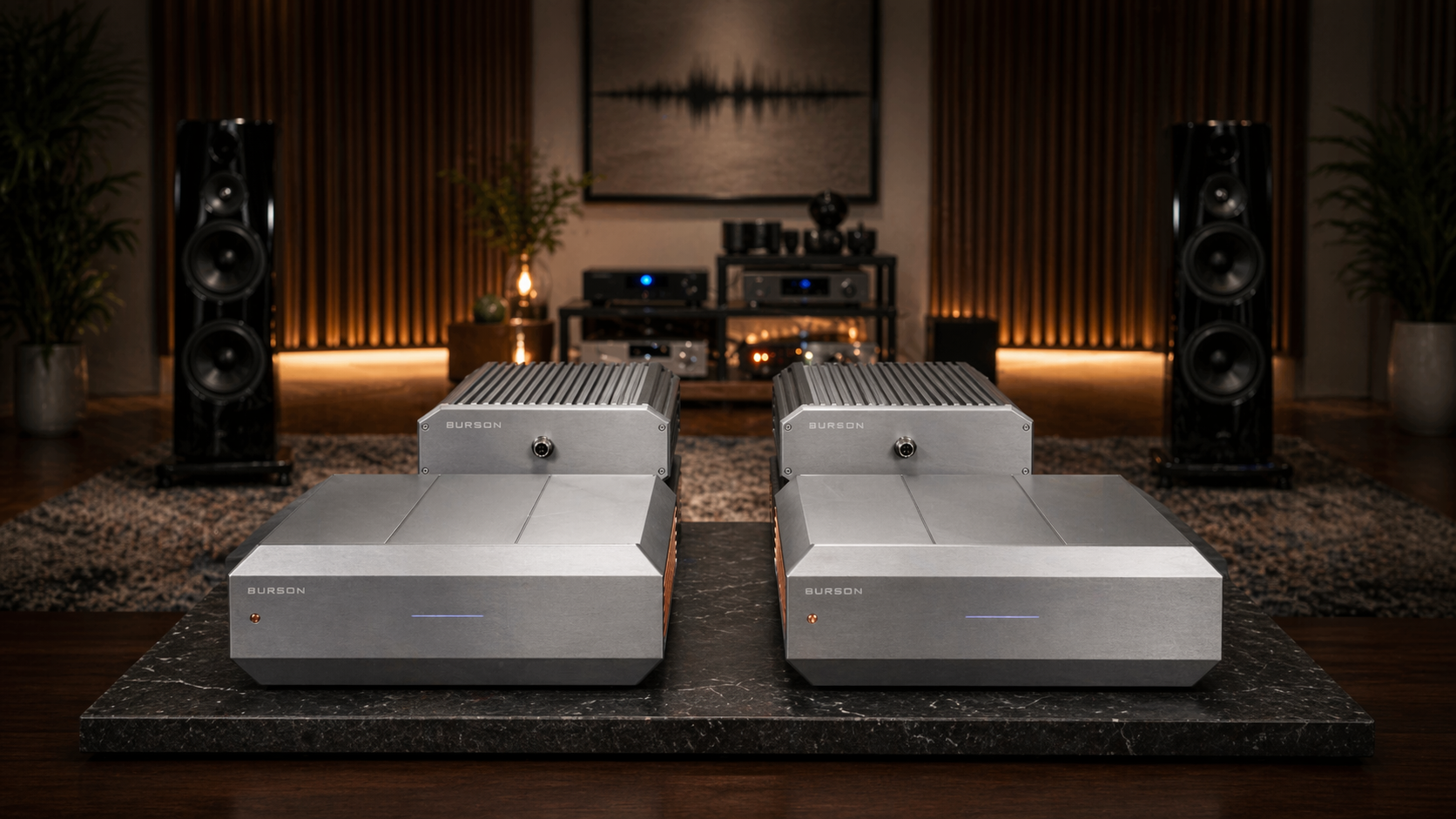
Each Burson Timekeeper Voyager is pretty lightweight and comes in at around 15 lbs each. My set also shipped with the GAN fusion core power supply that Burson claims makes these amps even more quiet than if you ran them on battery power. These fusion core power supplies, are IMO, a must own with the amps. I wouldn’t own them without these as they truly transform these into something incredible, different and modern. This would be called the “Max Package” and comes in at $5999 for the complete set, and IMO, this is a rare true high end bargain.
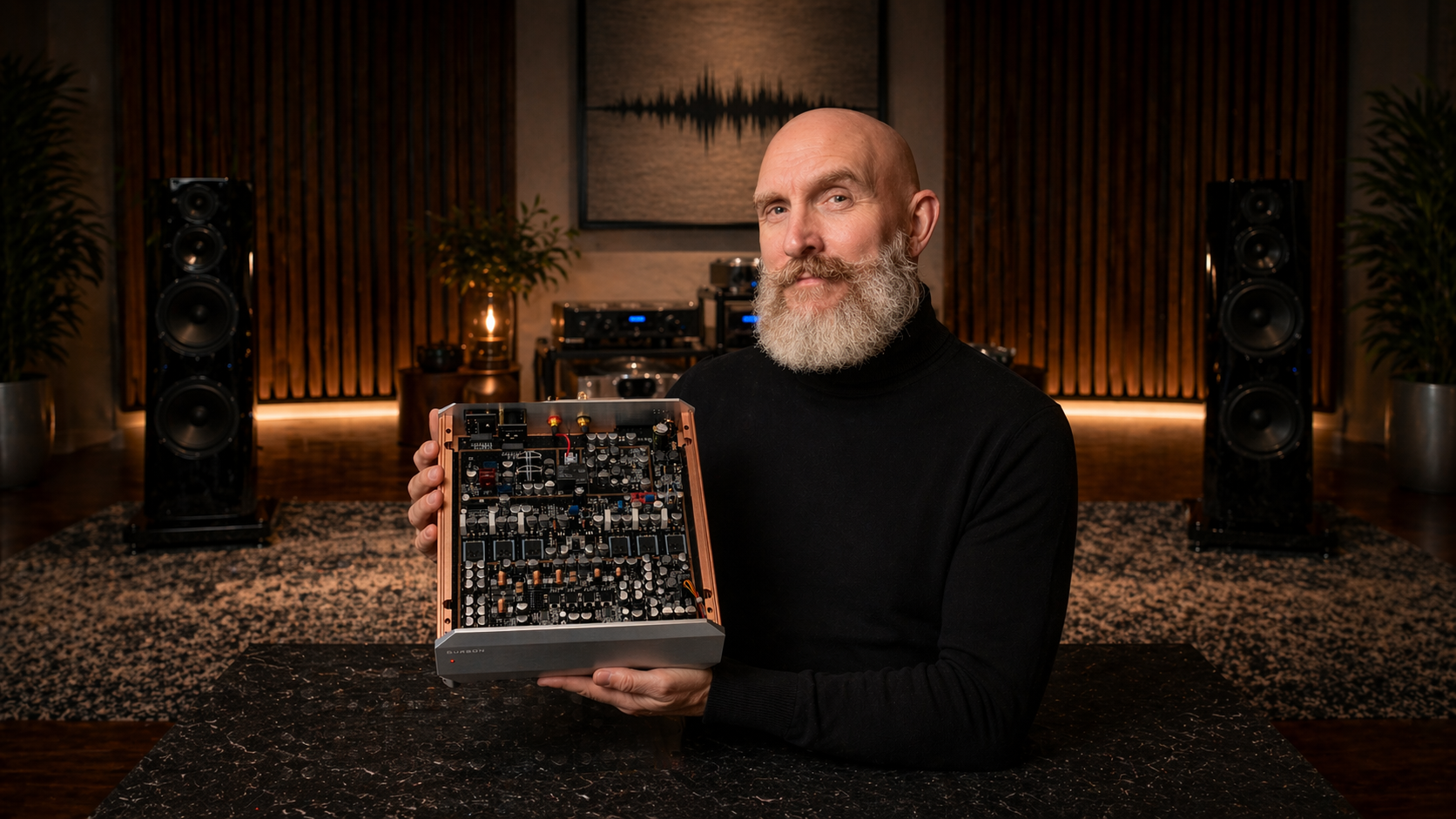
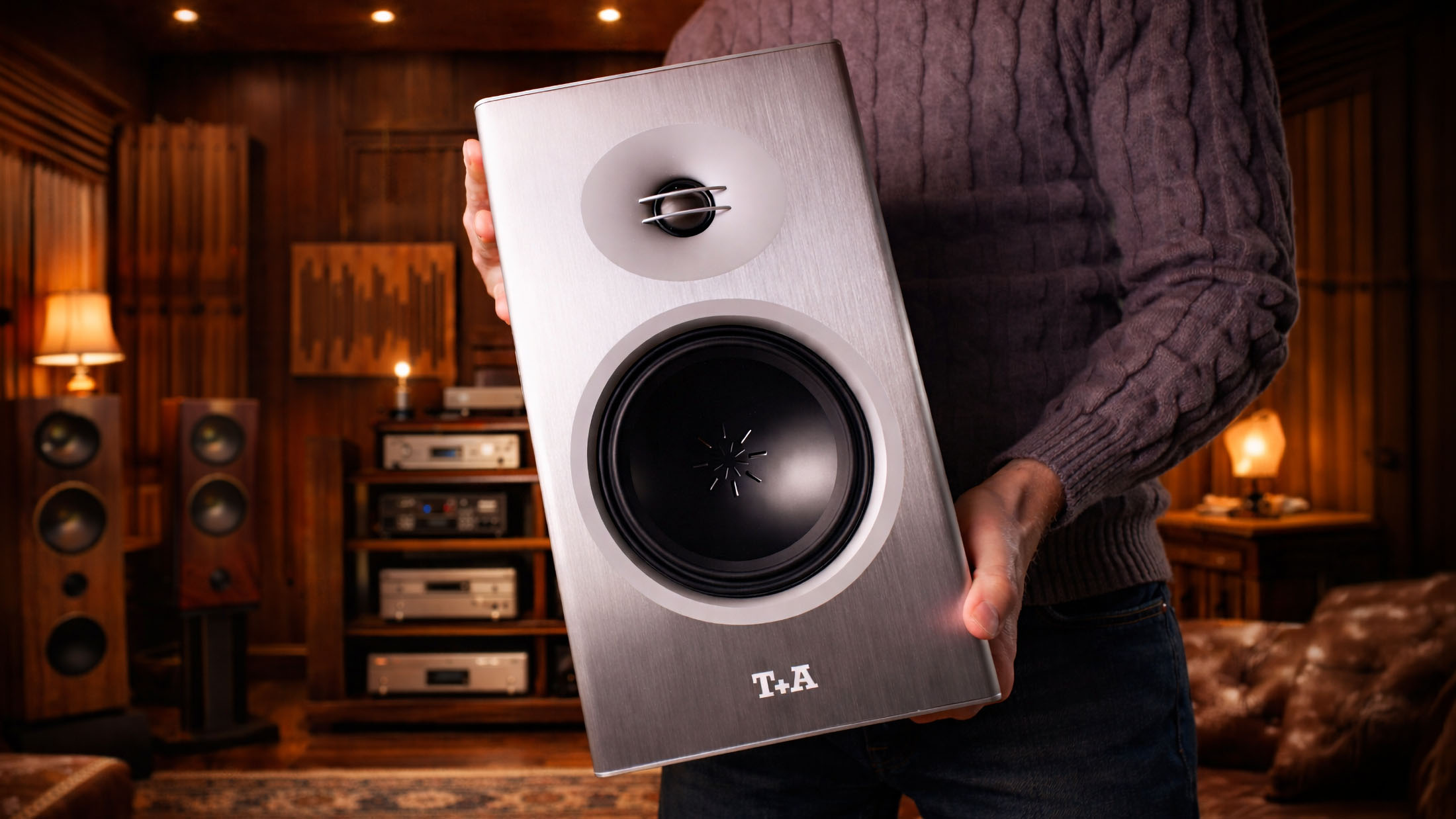
Modern? Yes indeed as these are sleek metal enclosures with gorgeous copper accents and this entire casing is used as a heat sink for the amps. There are no big fins or metal here, but be warned…these run HOT after say an hour or two of use. They run hot as the first 30-40 watts are in pure class A. Yes, these feature the size and light weight of modern day class D amps but the Voyager puts out a healthy dose of Class A, which is all I have heard them in as my room is easily filled with just 3-10 watts. Most of you reading may be the same as I have found that big power doesn’t always mean better sound, even with speakers that are a medium drive such as my T+A Talis R330 and Fleetwood Helios. It really comes down to room size most of all I feel.
After those first 30-40 watts the Voyager’s pump out 100 WPC into 8 ohms and 200 WPC into 4 ohms. Those are the specs but I saw somewhere where these were tested and had even more power on tap than that. I am not sure how accurate that is but these do not seem to be lacking in power in any way. I’d say 75-100 watts is a sweet spot in Class A/B amplification and amps within this power range always seem to be the sweetest in sound to me.

These amps are void of big transformers and the power supplies are kept away from the amps and hooked up via an umbilical cable that ships with the fusion core. When I tell you these are surgically deathly silent, I mean it. The Voyagers have now produced the quietest blackest background I have ever experienced yet in this space, now going on 6 years. No hiss at all, no hum, no noise. No buzzes. In fact even when you activate the high gain mode on the back that adds 6DB gain, still insanely silent (make sure you use XLR vs RCA).
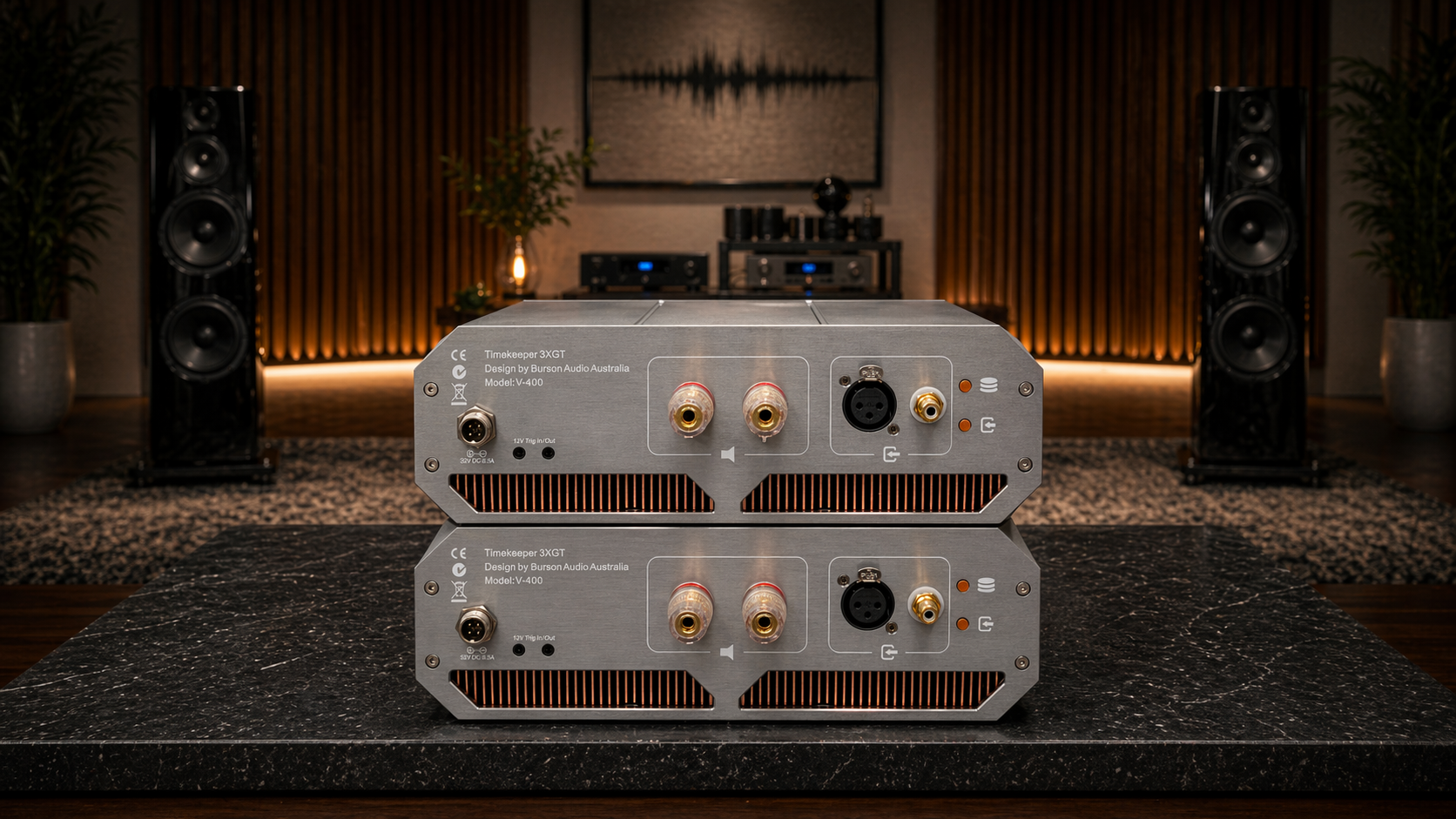
The Voayger’s also are heavily biased into class A as Burson believes this improves the sound of the amp and I can not argue here. Be aware though that even when idle these are drawing around 100 watts of power so it’s like leaving two 100 watt old school light bulbs on just at idle, without music playing. Class A is never about efficiency but more about soulful sound and all out quality of sound.
These Voyager amps use op amps and in this case I believe it is the Burson V7 Vivid that ships with the amps. I do not know much about amps that allow you to swap op amps. I have done it maybe once in life so no, I am not an op amp pro here. What I do know is that you can change these out to alter the sound but the ones included here are the latest and greatest from Burson. Also, these are high current amps and have no issue driving most speakers out today. That is another important aspect of amplification, current. High current designs are always my fave as they can drive almost any speaker to its full potential.
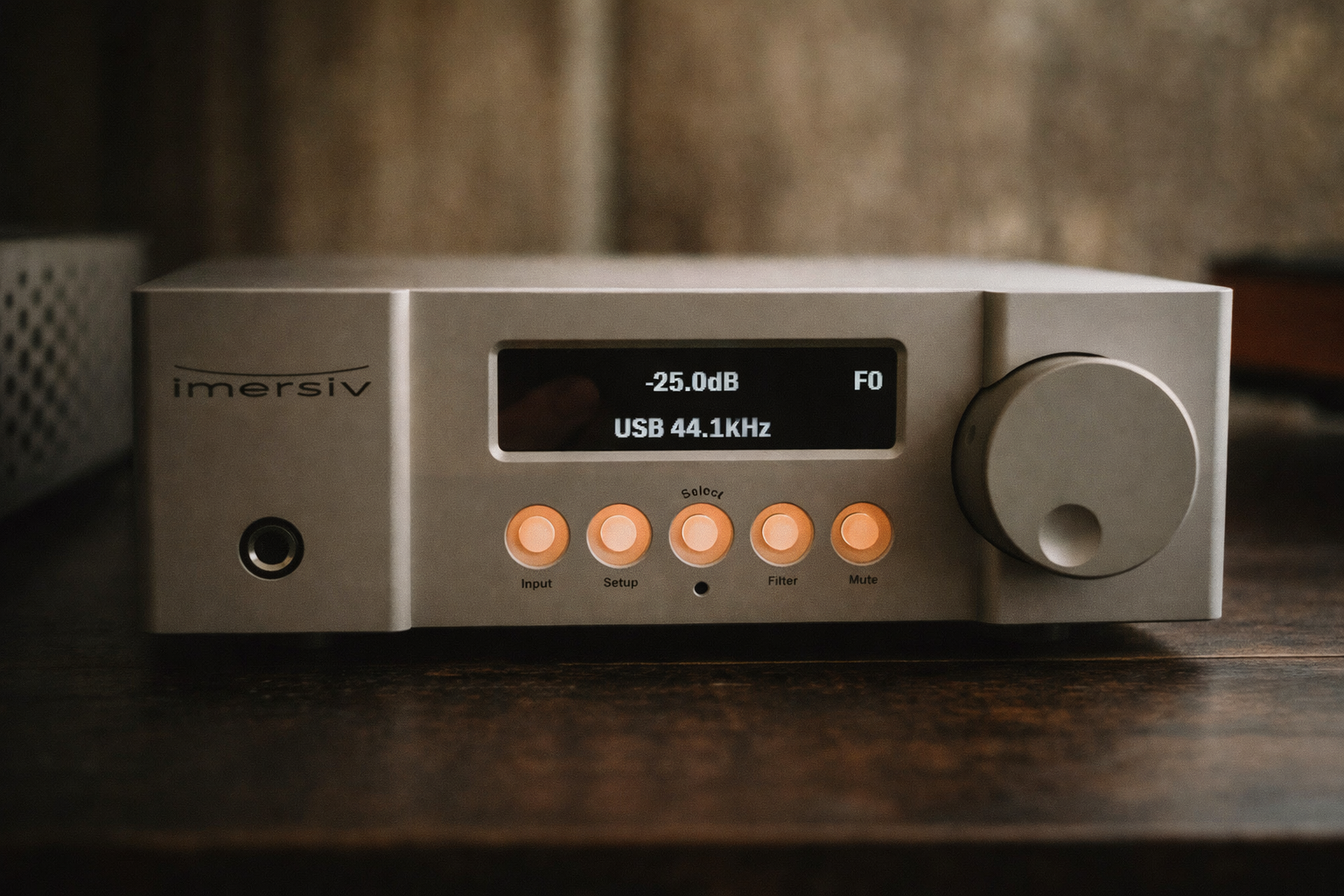
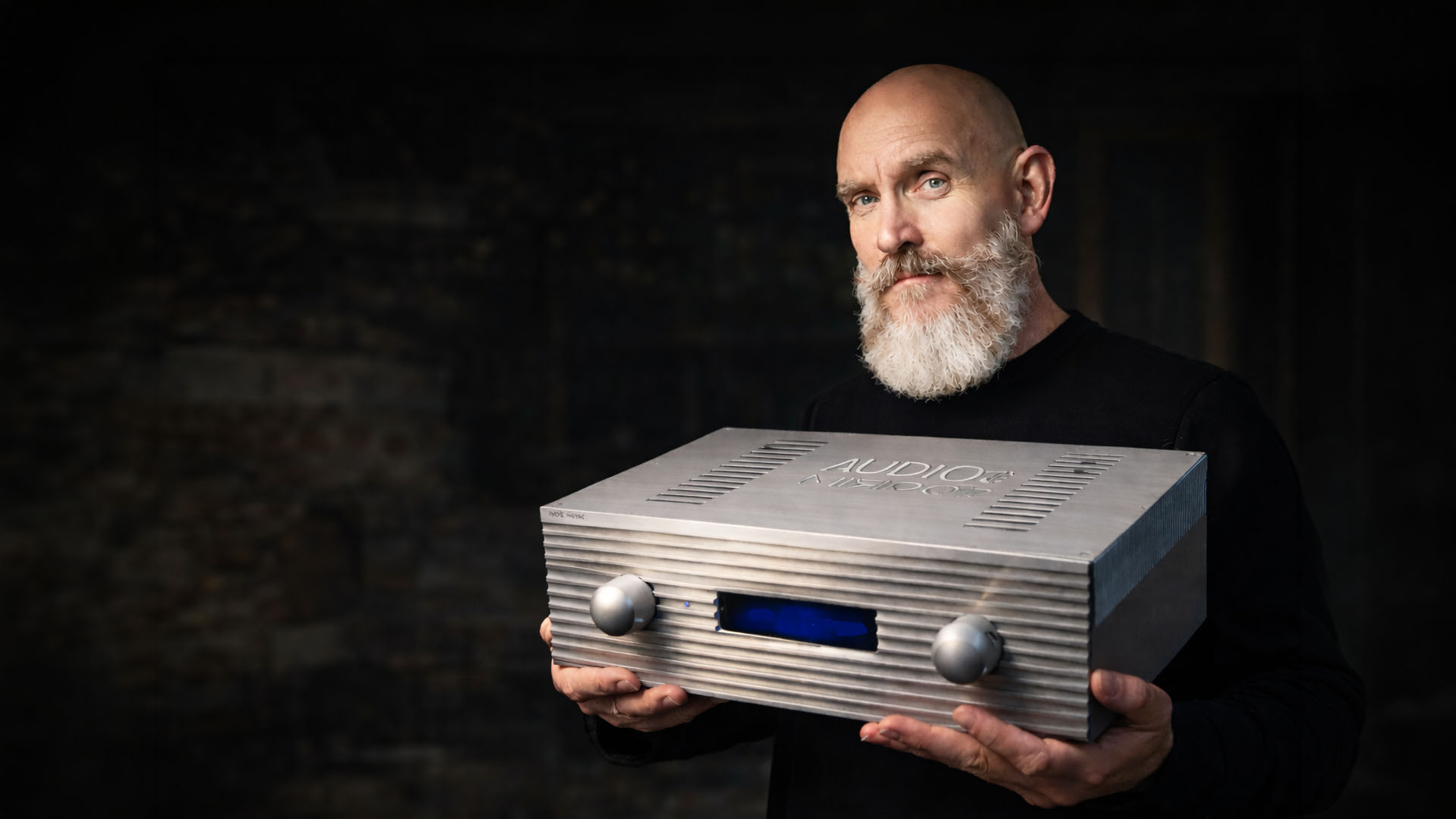
The Burson amps can be run with a preamp of your choosing or even a streaming DAC with pre. Mono amps today are very versatile for a digital streaming system and if you are a one source guy like me, or shall I say only use digital sources you will not need a preamp. I mean, preamps are cool and can add color and a vibe, especially tube, but one is not needed here at all. I have tested these with a tubed preamp as well as two DACs that also work as a preamp (Immersiv D1 and Audio Mirror Wave) and these amps played well with either solution but I did end up really enjoying one particular setup. I will talk about that as we move on with this review.
BUT HOW DO THESE AMPS SOUND?
So I have had these Burson Timekeeper Voyager amps here for a few weeks and they have truly become my mono amp soulmate. I like them better than any other mono amp I have had in here and not by a little. Here is what I love about these amps and why they are staying for quite a while.
Light weight. Compact form factor. Heavy Class A Bias. Fusion Core is AMAZING. Fully Balanced Amps. Oh, and OMG…THE SOUND!

When I first set these up I hooked them up to a Galion Navy Preamp which uses tubes and does bring sort of a tube vibe to a solid state amp. I enjoy the Navy for how it sounds as it brings a large stage, nice imaging and some warmth in the midrange where the voices live. An all around fantastic tubed preamp around the $3400 range yet it sounds and performs like some $5-$6k preamps I have had here.
I was feeding the Navy preamp with my Matrix NT-1 Streaming Transport which was hooked up to the Matrix SC-1 Clock and SS1Pro Switch. I tested with three DACs with the preamp and without, using the DAC pre. The budget winner Emotiva Differential ($700), the exotic level Audio Mirror Wave DAC ($22k) and the new kid on the block, the so called high end exotic level slayer Immersiv D1 multi path DAC ($12k).
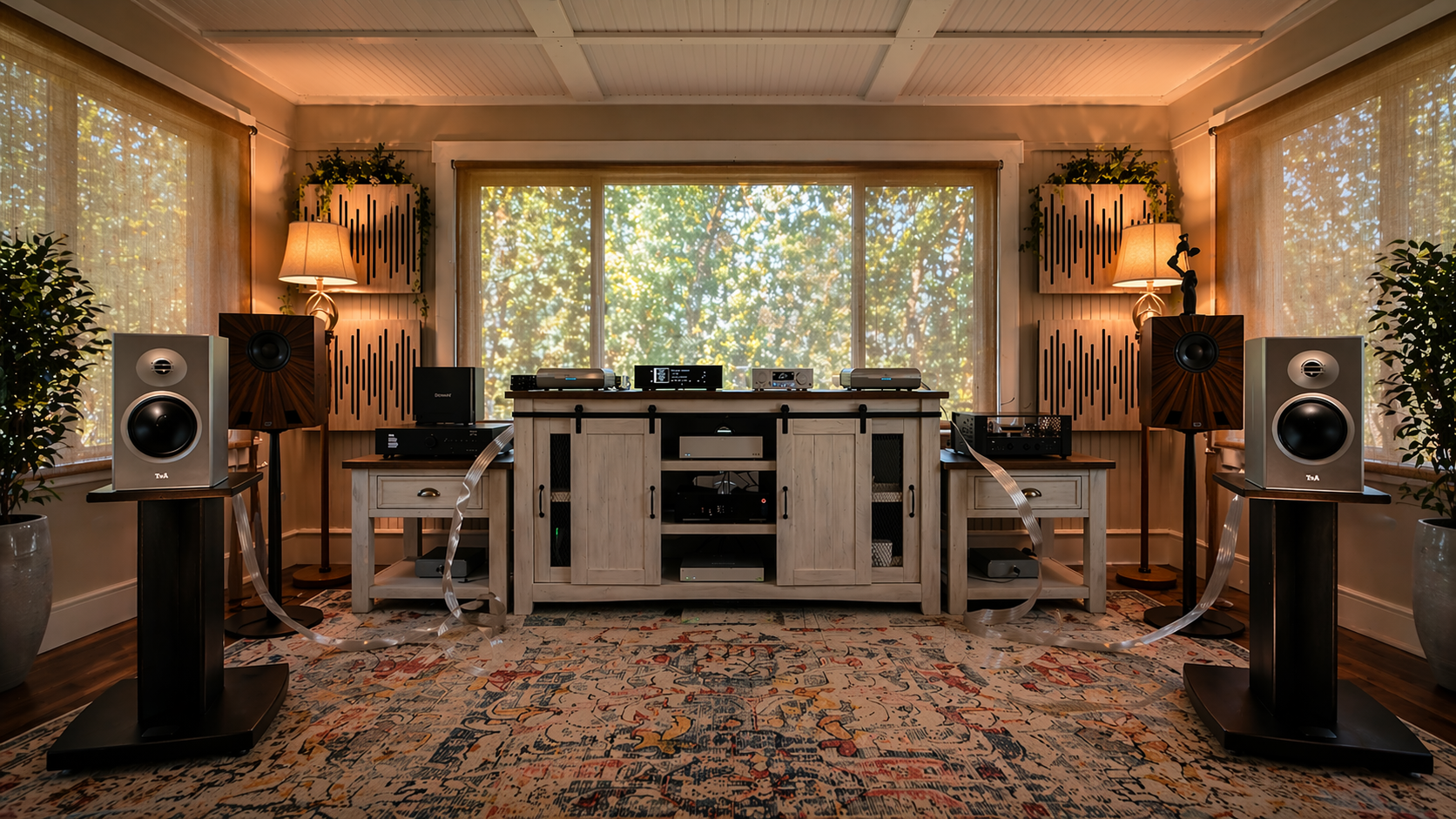
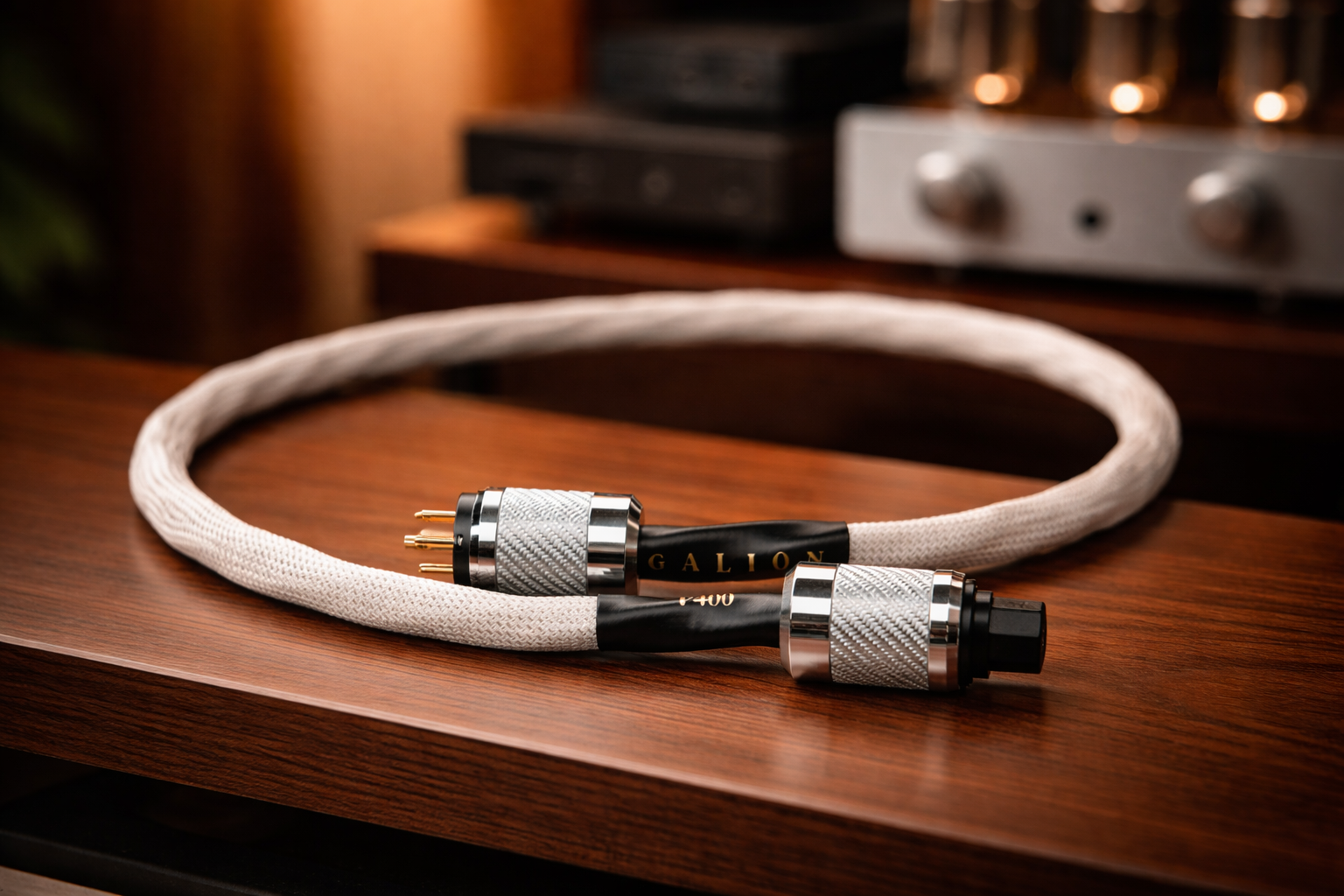
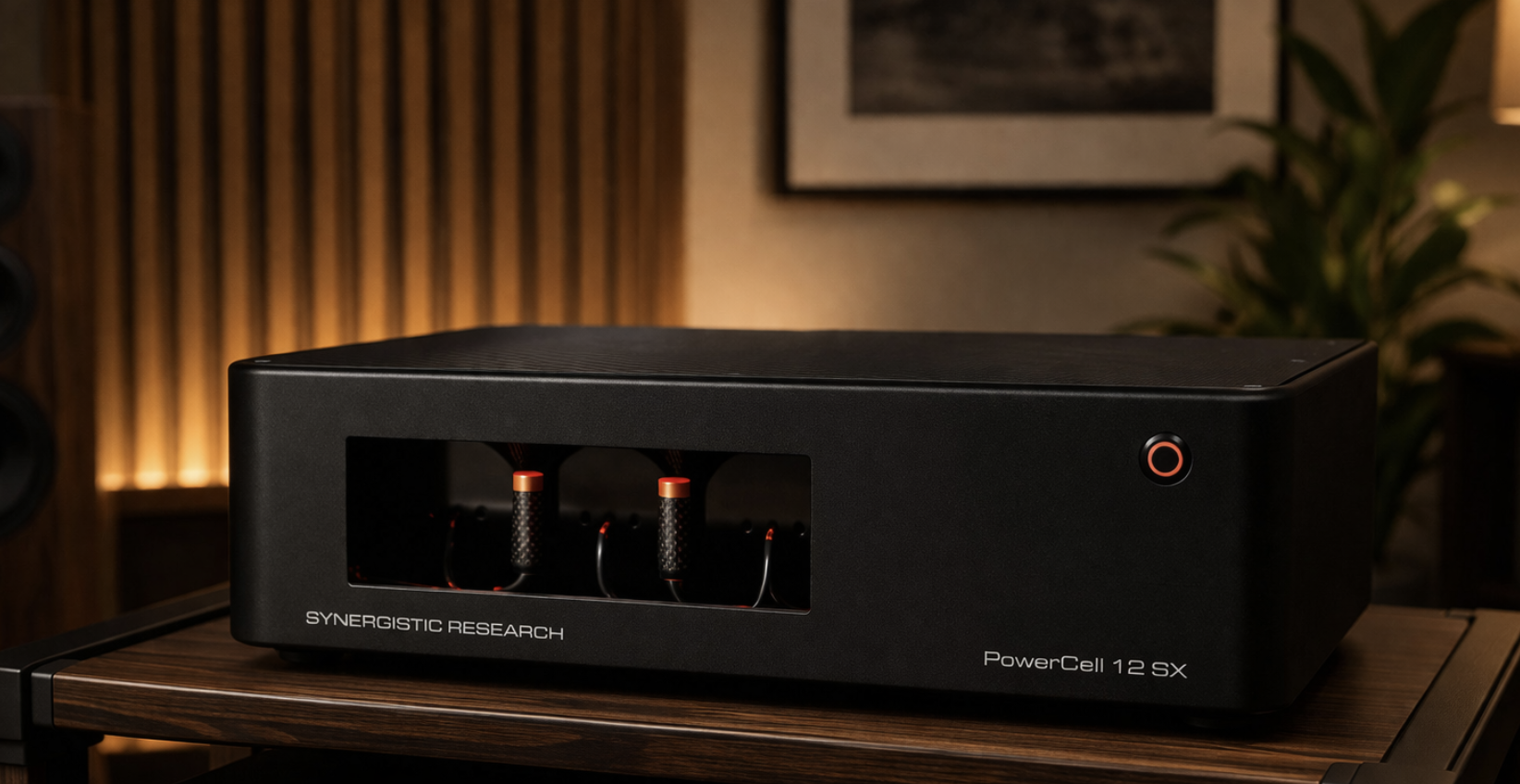
Speakers used here were the T+A Talis R330 ($11k) and the Fleetwood Helios ($4900). I also snuck in an audition with the Icon 12 from O Audio that still longer here at my home. Power Conditioner is my new Synergistic Research PowerCell 12 SX, which I recently reviewed. Speaker Cables are Nordost Valhalla. Power cables here for testing are the Galion P400 which are giant killers in their own right.
OK….with the Navy, the T+A Talis R330 and the Audio Mirror Wave DAC the sound was effortless, huge in scale and a bit warm mostly in the midrange. Supremely musical, solid and dense but with a tube like glow and treble. In fact I have never heard a solid state amp sound more like a true high end tube amp but the Voyager amps were bringing that vibe big time. Beauty, floaty, 3D, at least with the Audio Mirror which is also doing some work here to paint the magic within the stage.
The dynamics here were off the chart as well so these are not warm slow amps, rather they are warm leaning but have a supremely refined high end sound. I have never heard mono amps as refined and special as these and let me tell you that they kept me enchanted through the night..night after night. Replacing the Talis R330 with the Helios I heard the Helios in a different way from before. Gone was the enhanced detail and sharp transients I had going on with the Vnshine Kinki Dazzle integrated amp, which is also quite special for what it is. Now the Helios sounded… again, as if they were being powered by some super high end yet super silent tube amp.
The midrange opened up but also beefed up and the Helios were producing bass like never before. The Voyager’s are quite the amps for bass as it brings the solidity and foundation better than the others I have had here and loved. It’s again, refined so no jagged edges, no raggedy treble and no shine or hardness ever. The Audio Mirror brings some big time detail out into the room but it does so with class and grace.
SWITCHING TO THE IMMERSIV D1
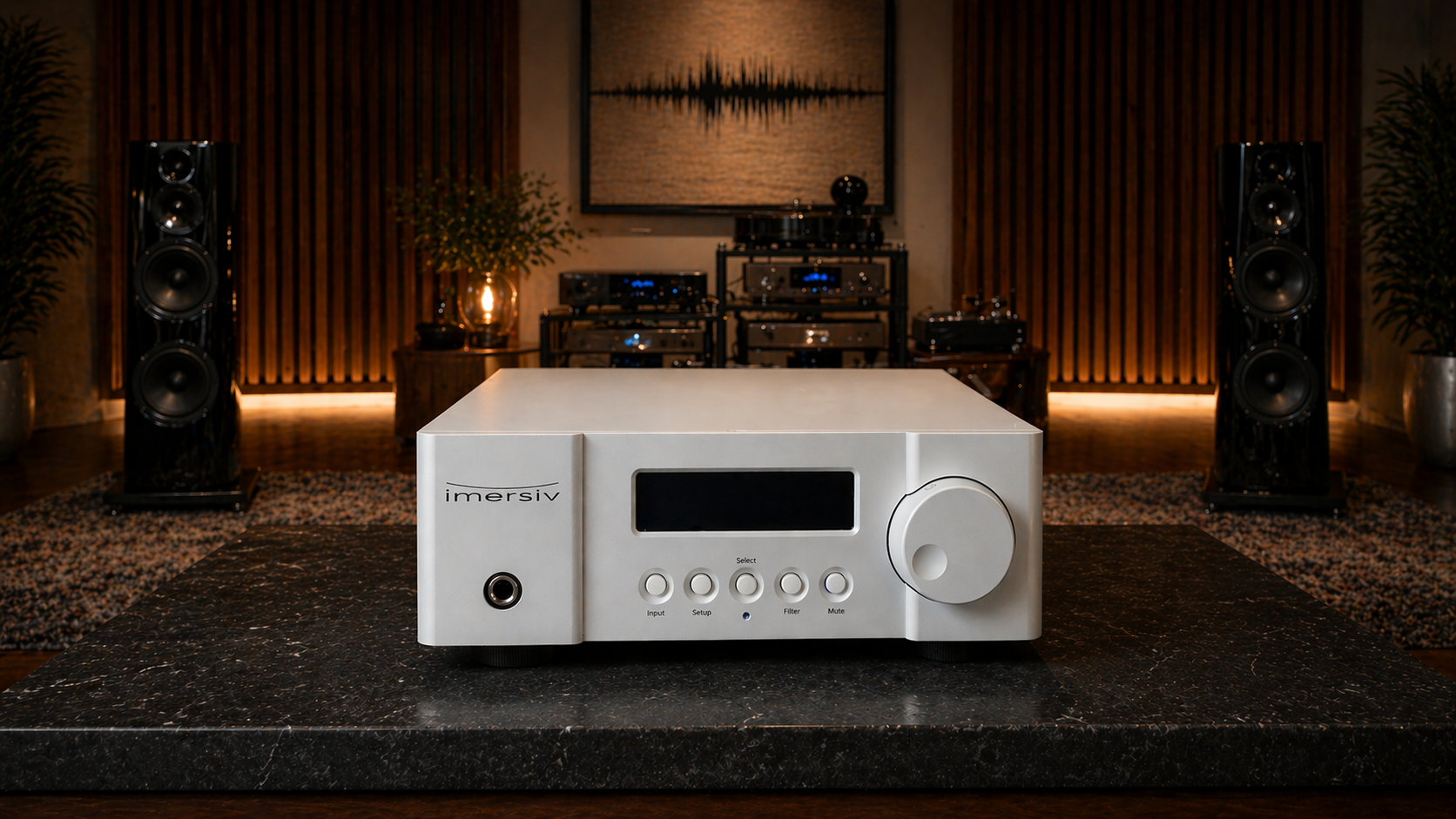
The new Immersiv D1 is the new hot DAC that hit the market and it is getting some serious attention. I mean, it took them over 10 years and 2 million bucks to get this DAC done. The D1 DAC now has three patents on it as it is unlike any other DAC ever made. It’s new tech for our audio pleasure and uses multi path technology which is very interesting and deep. You can read about it here but I can confirm, it’s the real deal and then some. Almost half the cost of the Audio Mirror but no tubes, smaller, lighter and sleeker in looks.
I did test with the Navy preamp into the Immersiv but the Navy did not bring out the best of the D1 as this DAC really requires you to use XLR to get the benefit of the tech it delivers. There is a solution with a breakout transformer box, which converts the RCA to XLR while keeping the benefits so I started the test like this, with the box. The sound was gorgeous, a shade darker than the Wave with more density and refinement still but I wasn’t “wowed” by this new DAC just yet.
Using the D1 as the pre and DAC going direct to the Burson amps via XLR (as suggested by the DAC manual) is the only way to go here as the D1 direct to an amp is the best, most pure way to use this DAC (and it is). Using the D1 as the volume control was pretty amazing and slick and feels very analog.
I will have detailed listening notes at the end of this review but with the D1 in place of the Audio Mirror and Navy the sound changed quite a bit. Instantly more refined, fluid and holy cow the depth and height of the stage was quite incredible with the Talis R330 and the Helios both. The D1 DAC is smoother and denser than the Wave Tube DAC and it gives up some things to the Wave and the Wave gives up some things to the D1. For example, the Wave brings instruments out in a slightly more 3D fashion into my space but the D1 draws those instruments in space in a denser thicker way.
The vocals of the Wave are clean and 3D and very large in scale, one of its specialties and why I call it the “king of immersion”. The vocals with the D1 when going to the Voyagers kept the warmth and qualities of the amps themselves. The noise floor did not exist, there was none anywhere to be found. The sound simply emerged from blackness when the D1 was direct to the Voyagers and this is the first time I have experienced this kind of silence at this level. I now understand more when some talk of this. It’s incredible as music and sounds emerge in place in the stage but each sound and instrument has body yet is clean. Details do not come out as much in a 3D way as the Wave with the D1 but its kind of a draw here as the D1 is smoother, silkier and sounds even more analog, but analog X10. Meaning, the best of analog without any of the drawbacks of it.
With the Emotiva DAC in (which is the budget DAC I have on hand now) going direct to the amps via XLR I still heard the character of the Voyagers. Refined, smooth, a bit sweet and open, dynamic and effortless with an iron grip on the speakers. The overall soundstage shrunk and flattened somewhat with the Emotiva and I sensed a bit of digital grunge (I only hear this as the other two have NONE). No, the Emotiva could not get close to either of the DACs above in refinement, precision and soundstage creation but even so, with these amps the sound was still excellent.
I was pretty shocked at the D1 and Voyager combo as after many 5 hour nights of listening I really grew fond of the D1 vibe with the Burson Amps. The synergy was perfect here with the speakers and my room. The Audio Mirror has a volume control but I am not a fan of using it in that way as it’s not the most refined volume control, even so, it too sounded crazy good going direct to the Burson Amps, and kept the character of the Wave but now a bit warmer still. I’d say the Navy and Wave had a slight edge in “aliveness” and the D1 had the edge in refinement.
The D1 was just perfect with the amps and created a supremely high end sound that sounded as good to me as I have ever heard any system sound, regardless of cost or pedigree. Yea, really.

GoodBye Dazzle.
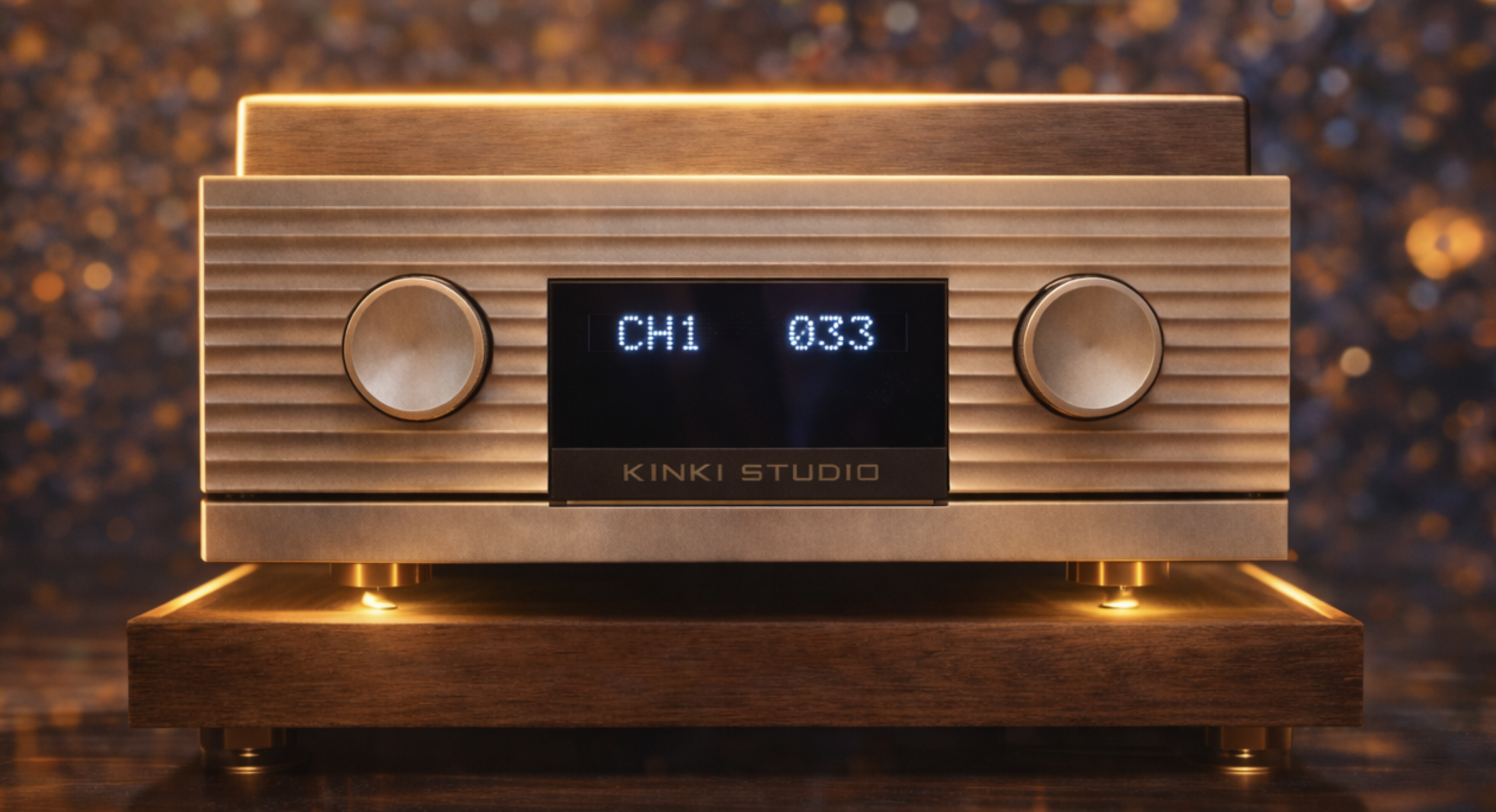
I am not a rich guy, nor am I wealthy, nor do I have tons of disposable income, especially these days. I can’t just own everything I love but when something comes along that I feel works out better for me, and I can do the upgrade or swap without loss, I do it. I have been using a Vinshine Dazzle integrated since last year when it was launched and for me it has been one of the finest integrated amps I have ever used or owned. But right now I am really digging the vibe of the Burson Voyager amps with the Fusion Core power supplies and since I am a one source guy, the mono amps work out better.
The sound of the Voyager amps is special. High end, analog and tube like yet throw a crazy big soundstage that has depth and warmth all while letting us hear the reverb trails, the small micro details that we often miss and the musical fluid nature that makes music sound so good. These are fluid, musical and special and I would call them perfect but they have one thing that keeps them from being “perfection”. Well, for some this would be the case. Not for me but I have to mention it as it’s a real thing.
HEAT.
These get hot as hell due to being biased so heavily into Class A and running at 100 watts when idle. After 5 hours they can’t be held in my hands due to heat, too hot so yes they can heat a small room in the summer and my room is not connected to the house A/C, phew! I do feel the room heat up on those 80 degree days but for me, it’s worth a little bit of sweat. If I had A/C in here it wouldn’t be any kind of issue but the smaller the room, the more heat you may feel. These will be great in my room for winter and I look forward to next winter sitting and listening to them if we do not move from here before then.
Also, no worries as the Voyager amps were designed to run this hot and all parts inside are meant to handle it and then some.
Quick Comparisons to other Amps I have had or still have on hand.
Galion Comet ($1600) vs Voyager ($5999) – No contest. The Comet is a king of the under $3k amp at $1600 but is not as smooth, layered or as vastly refined as the Voyager. This should be as the Burson set cost $4400 MORE. Even so the Comet is a steal at its price and it’s a handsome sweet sounding Class A/B amp.

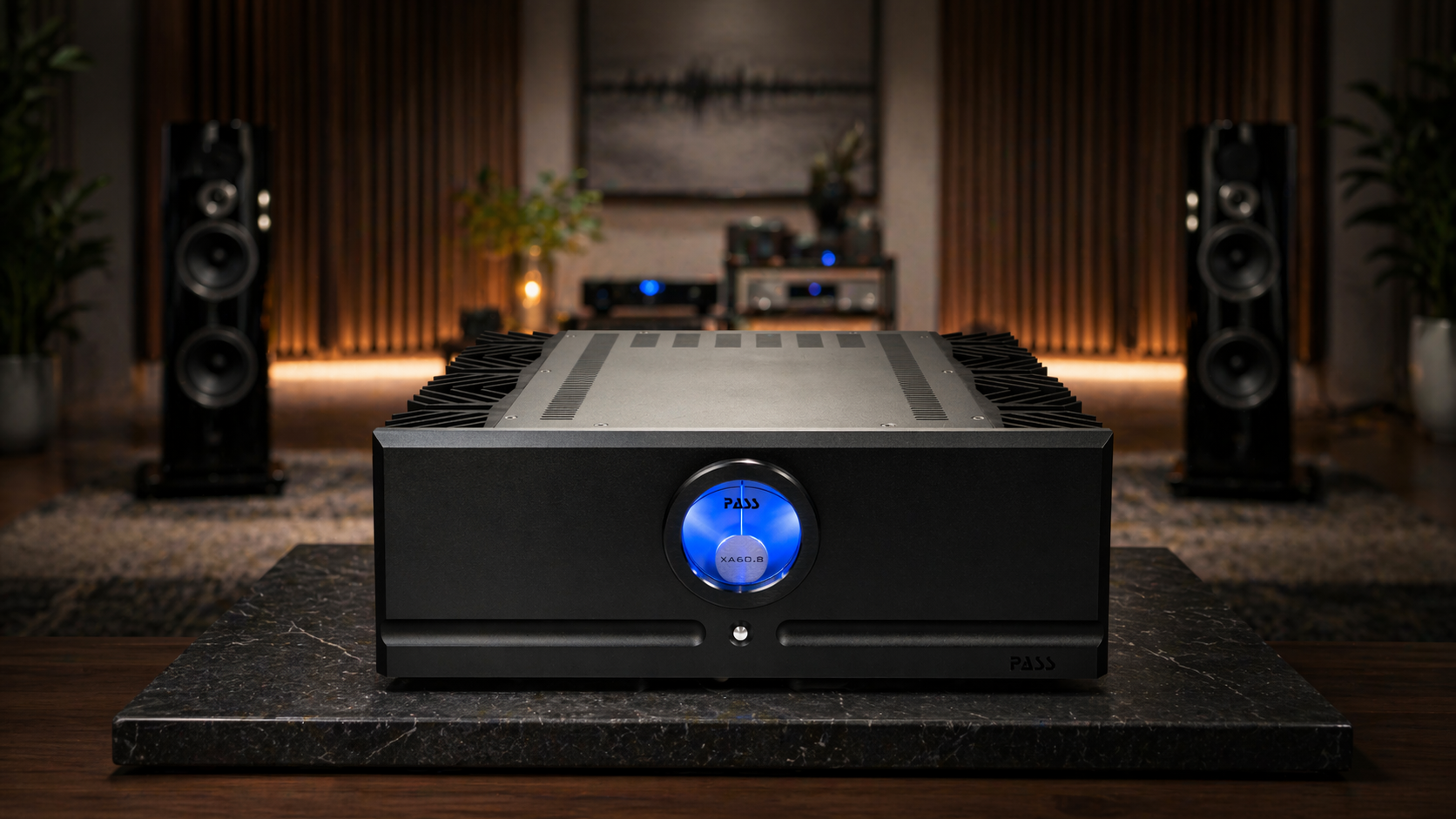
Pass Labs XA 60.8 – These have an almost cult like following and I know why as I had a set here for a long while. These sound warm, luscious and are also class A with a bit of sparkle up top that brings some shine but these need a good speaker synergy match to avoid sounding a little dull. These get hot as well but are also heavy as all get out. Gave me a back ache lifting them and they also had some transformer buzz from time to time as these are in the “old school” design camp. For me, Burson wins here for the weight, size and for me, I like the sound the of the Voyager more as it’s the more beautiful of the two for these ears. The Pass is more exposed up top with the Burson a bit smoother but the Burson delivers the details in a nicer way. I also love the silence of the Burson which are much more quiet than the Pass I had.
AGD Duets – These $11k amps are even smaller than the Burson, look even cooler to me and run cool as a cucumber. I love the AGD Duets in chrome and wish I still had them. I miss them, everything about them. With this said they do not sound like the Burson Voyager to me. The AGD were cleaner and leaner in the mids with a focus mostly on details yet had some organic flow to the mids. It was the analytical with warmth vibe yet they were dynamic and snappy as well. Very live feel. The Burson are a shade or two warmer, more refined, have more solidity and have more depth. They about equal on the immersion scale. Burson is half the price. As much as I love the Duets, If I was starting new from scratch today I would buy the Burson for myself but for those who like more efficiency, more power and a cleaner more audiophile vibe the AGD would be the ticket. Gorgeous amps.
ModWright KWA 99 – Ahhh, I love these mono amps and they give me a retro vibe with the design and the amber glow of the front meter, that is also fully adjustable BTW. These have a sound I love. Big, bold, dynamic, punchy and yet detailed, open and clean all at the same time. These each have a big old school transformer inside that also gave me some buzzing at times. I guess it’s the nature of the old school amp beast though I believe my power here at the time could have caused some of these issues. The KWA 99 are beautiful amps at around $11k and have more treble shine than the Burson amps yet the Burson have more body in the mids and blend seamlessly with the treble and bass. I love the KWA 99 and feel they are well worth the price they seek. Made in the USA by a truly great guy. These and the Voyagers are probably my two all time faves in the mono amp world. Well, of what I have experience with.
At the end of the day…
At $5999 for the Timekeeper Voyager Max package that includes the V7 Vivid op amps and the fusion core power supply these amps are like a true hidden gem in the audio hifi world. Many will never feel these are as special as they are because some look for the big amp names, who use old school design from the 70’s. Burson has made these amps with modern day tech so gone are the big heavy noisy transformers and gone is the big 100lb box which used to be needed for 30-40 watts of Class A power.
Most see Burson as a headphone amp focused company but they hit it out of the park with the Timekeeper Voyager amps. These bring gorgeously full and rich class A sound and light weight and compact. There is nothing here I do not like besides the heat these throw after a few hours, though this will be a huge pro for me in the winter.
Also, I tested these with XLR and RCA. Being that these are truly balanced amps the XLR inputs were quite superior in sound and noise levels. Well, there was no noise at all with XLR use but when I went to RCA I heard some slight hiss from my tweeters. Burson told me this was normal and XLR is the superior connection. So keep this in mind as well. A great cable can also go a long way to improving the sound as I have had some cables destroy my magical sound. Truly.
What more can I say about the sound? Beautiful, gorgeous, three dimensional. Precise but with more soul than a soulnote. Like what I remember music sounding like as a kid but 20X better. I can listen to any genre and the way these amps weave the magic is quiet special due to the blackest of backgrounds when run with the fusion core, which is said to bring lower noise levels than using a battery power supply. These GAN based power supplies are genius and so much better, in my opinion, than using big heavy transformers that bring weight and sometimes enjoyment robbing noise. It’s also cool that I can keep the power supplies away from the amps.
These amps deliver the class A sound of the past but in a future modern design. Again, the entire casing is metal and acts as the heat sink. There is a display of lights that change colors depending on if you use RCA or XLR and whether you use the standard gain or the high gain mode. Yea, you can alter the gain here and there is a sweet spot to be found depending on the output level of your source device.
When using XLR from the Immersiv D1 DAC I was in pure high end magical heaven. Yea, it was magical and the music poured over me in such a way that was perfection from top to bottom. Going to the Galion Navy preamp and the Audio Mirror Wave DAC also brought the magic as these amps brought the same character regardless. With this setup the scale was a little larger, taller, wider and instruments were crisper, more alienated from the others. A little leaner vs the D1 in the mids, which has solidly and is quite amazing with rock, metal and EDM as well. No, the D1 doesn’t sound “better” than the Wave but the Wave also doesn’t sound better than the D1. They sit in the same space, just differences in sound and price, both among the best I have ever heard in a DAC.
All in all, whether the T+A R330 or Helios speakers were in the sound was magical, special and washed me in a blanket of gorgeous music anytime I fired it all up. With the mighty Icon 12 the sound was again, massive in scale with the Voyagers but maybe a little too warm here in my 13X18 space with these huge speakers. In here the Icon 12 like a more neutral amp vs one that leans warm. All in all, the Burson Voyager Timekeepers are true end game mono amps if you seek true class A sound, a fully balanced set of amps and modern tech to keep the performance next level.
Not so long ago I had a Benchmark ABH2 amp here for a second time. I wanted to give it another chance with the current setup as this amp measures perfectly so should be superior or at least equal to anything else and the Benchmark is lower in cost. Well, when compared to the Burson, for me, it was absolutely not even a contest. I much preferred the Burson. Why? Well, for me the Benchmark while also quiet and silent and compact sounded much leaner in the mids and much brighter in the treble. Thinner. Wasn’t for me at all and while I can see why some love this amp, the soul was missing for me compared to the Voyagers but I guess that is the point of an amp such as the Benchmark. It is meant for all out transparency and it will show all flaws in a recording and yes, some like this and prefer it so it all comes down to you and you preferences.
I prefer a sound that soaks me in the music, envelopes the soul yet doesn’t sound dull,.bloated or mushy. I love detail and depth but with humanity and warmth yet not too much of it. I like immersion and silence, I like light weight vs heavy and I love me a super good class A sound.

The Burson Voyager timekeeper delivers all of this for me. Super soulful and magical amps. Have no fear about these, they are truly some of the best amps I have ever heard and they have replaced my reference Dazzle integrated and all other amps here as my main reference now. Why? I like them better for all of the reasons I stated here but for me it’s mostly the silence, weight, design and indeed the sound. Yea, I guess that’s everything. The Burson Voyager Timekeeper amps with their Fusion Core power supplies are bringing me so many deep listening sessions into the wee hours of the morning. Yea, they are truly that good.
I also like that they power up in 2 seconds, no warm up required. I like that these have the gain options and this is great to have so you can fine tune your source to the gain. I also love the fact that these are so heavily biased into class A. Stunning amps, and my new reference for mono blocks regardless of price or pedigree or name.
Listening Impressions
I have listened to over 620 songs with the Voyagers during my review time. Yea, that’s a lot but I listen to almost 30K songs a year (and can prove it)! I love music. It’s when I relax, meditate, focus on dreams and goals and sometimes even end of life as I am now getting older. Music keeps me grounded, relaxed, chill and stress free. It’s like I prescribe myself a prescription of daily music and it does indeed help me in so many ways. It’s my therapy.
Let’s go…


Listening to Ane Brun’s live “leave me breathless” was stunning with the Voyager amps and the D1 DAC. Going into the Talis R330 her voice was a severe present and tangible as I have heard this album. “Always on my Mind” is a lovely remake and each instrument is heard with ease but not in any kind of lean or uber detailed way. It’s rich, refined and large in scale. When the next track hits called “Vier Lieder” it is ethereal, so sweet and so real all at the same time. It took me away to another world for a moment and that’s saying a lot. As good as I have heard this album sound as with some setups I lose the soul of this album. Here, the soul is fully intact. Also, I was listening using Spotify Lossless here and yes, the Matrix NT-1 is stunning with spotify premium connect lossless. I am not using bluetooth here and many tracks on Spotify sound better to me than they do on Tidal. Some sound better on Tidal. This album is one that sounds outta this world on Spotify when using the Matrix and D1. With the Audio Mirror Wave things were a little more 3D here and with a little more shine up top.
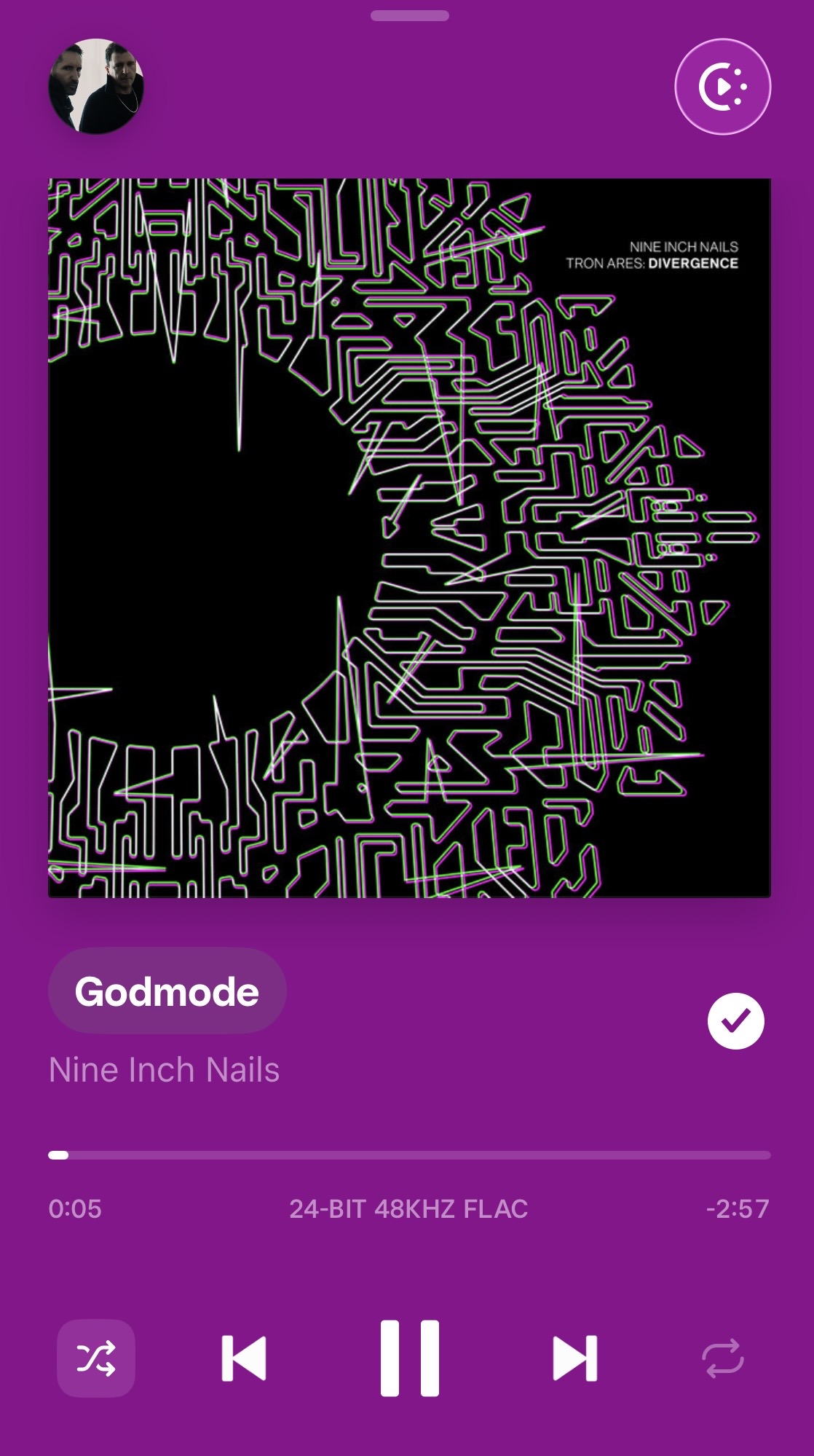

Moving onto something with more bass, more energy and more dynamics. “Godmode” from Nine Inch Nails is a heavy duty high energy dance track with all kinds of sounds, synths and effects. The Voyagers SHINE with this kind of music as they deliver deep bass, controlled and smooth bass that really brings meat to the bones of the music like this. Rock, Metal and EDM are insane with the Voyager amps, end game indeed for me. I was hearing everything and nothing hid but at the same time I felt the big bass groove, big energy and huge dynamics and these amps with the D1 direct again were just blowing my mind. Another track that I have never heard better than this with the D1 running the Voyager amps.


Listening to “Facing Atlas” on Tidal from Ann von Hausswolff was AWESOME!!! Her vocals come in among a wash of music and this voice is pure, so real and so organic. As the music swells I hear all of the instruments emerging from the left and right with her voice rock solid down the middle. There is warmth, solidity and density as well yet the treble sounds so so sweet without a hint of hardness or grit, no matter how loud I turn up the volume. When the bass beat hits OMG, it’s huge. The scale grows and now we hear her voice over this driving bass beat that just fills the room with ease. The D1 is a perfect synergistic match here, going direct via XLR. With the Wave in again, the sound livens up some, details come out in a more 3D space and immersion is 10/10 but the Wave is a bit leaner in sound vs the D1, which is super solid through out the band, top to bottom.
These amps are superb with all types of music and deliver what is on the recording with meat, some warmth, exceptional detail and a refinement that is not always easy to find. At $5999 these mono amps are a true high end bargain and perfect for those running only a digital source or even an analog source with a preamp. After weeks with these I can easily state that these are indeed what my dream mono amps would look like and here they are! I look forward to any more listening sessions with them in place. It’s like “Audiophile Quality but with a refined musical Soul”.
You can read more about the Burson amps here at the Burson website.