
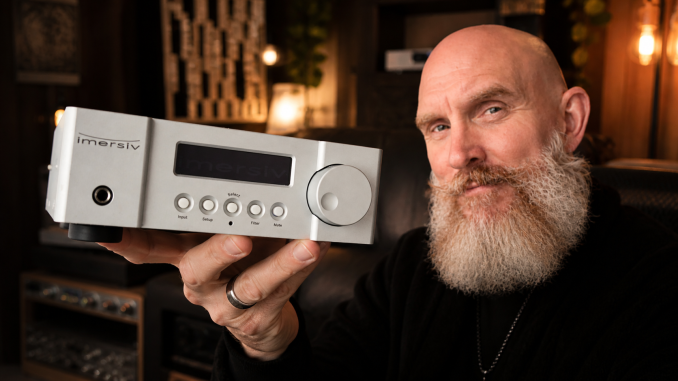
The Imersiv D-1 Multi-Path DAC. A New Kind of HiFi DAC.
By Steve Huff
I have had what feels like a thousand digital-to-analog converters here over the years. It has not really been that many, of course, but I have heard a ton of these boxes over the decades. I can say with confidence that today, in early 2026, we have some pretty incredible options in the DAC world.
Even so, I was told I had never heard anything quite like the subject of today’s review, the Imersiv D-1 HDR-A DAC.
I was told it was sort of like the audio equivalent of HDR in photography, which means High Dynamic Range. Now, the old original (2 decades ago) HDR in photography was awful when the craze hit. Overcooked. Fake. Crunchy. Kind of like a bad digital filter applied to a photograph. But today we have very high dynamic range cameras, which means we can see much more highlight and shadow information within a photo. Well, a lot more of it and the result these days is natural and beautiful.
Back in the early days of digital photography, dynamic range was pretty low. The result was often blown highlights or darkened shadows where all of the information was simply lost. With a great modern camera sensor that brings high dynamic range, we get to see much more of what was really there. We see deeper into the shadows and we can retain more information in the highlights.
I would say that many audio DACs from 15 years ago were a lot like those early camera sensors. They lacked that sense of high dynamic range. We heard digital noise, grunge, and a little splashiness. Details were obscured somewhat, much like an overblown highlight in a photo. Mids could be lean and grey, much like those early digital cameras where the images appeared flat and dull.
I will say there are many DACs out there today that are way more “HDR” than those early DACs, and to those who still say all DACs sound the same, well, you have not heard the really great DACs that exist today.
Oh, yeah, they exist.
I must state, though, that these really amazing DACs that can truly transform and aid a nice, well put together HiFi audio system do indeed cost a lot of money. To date, the best I have ever heard is the $22,000 Audio Mirror Wave Tube DAC. Ouch, that’s a lot of cash for a DAC, but a DAC can indeed transform a system with digital music playback.
The Wave is unlike any DAC I have heard, as it brings amazing realism, a live feel, and an immersion quality I have not heard before in any other DAC. It really sucks me in, puts me inside of the music, and allows me to feel the music as well. Of the 100+ DACs I have really heard and lived with over the last 20 years, none were like the Wave Tube DAC in my room and system.
I will also say that many DACs that come in under $5k these days are more similar than different. Once we hit the $5k-$10k range, things change and we start to hear more differences, though even then those differences may be small. When we enter the $20k and up DAC world, this is where I really start to hear bigger changes in sound, presentation, space, realism, and emotional connection.
It is what it is. While many say to never associate cost with performance, I can easily say I have never heard any DAC under $10k sound nearly as good as the Wave, the dCS Lina, the Chord DAVE, etc. These all bring something different to the table in sound and in how much information we can really pull from a digital music track.
It is not just about getting all of the information for me, though. I demand soul, realism, and a non-lean, non-digital, non-edgy kind of sound. It has to immerse. It has to be natural. It has to speak to my soul.
Yea, I am picky when it comes to the DAC, which I feel can be the heart of a system.
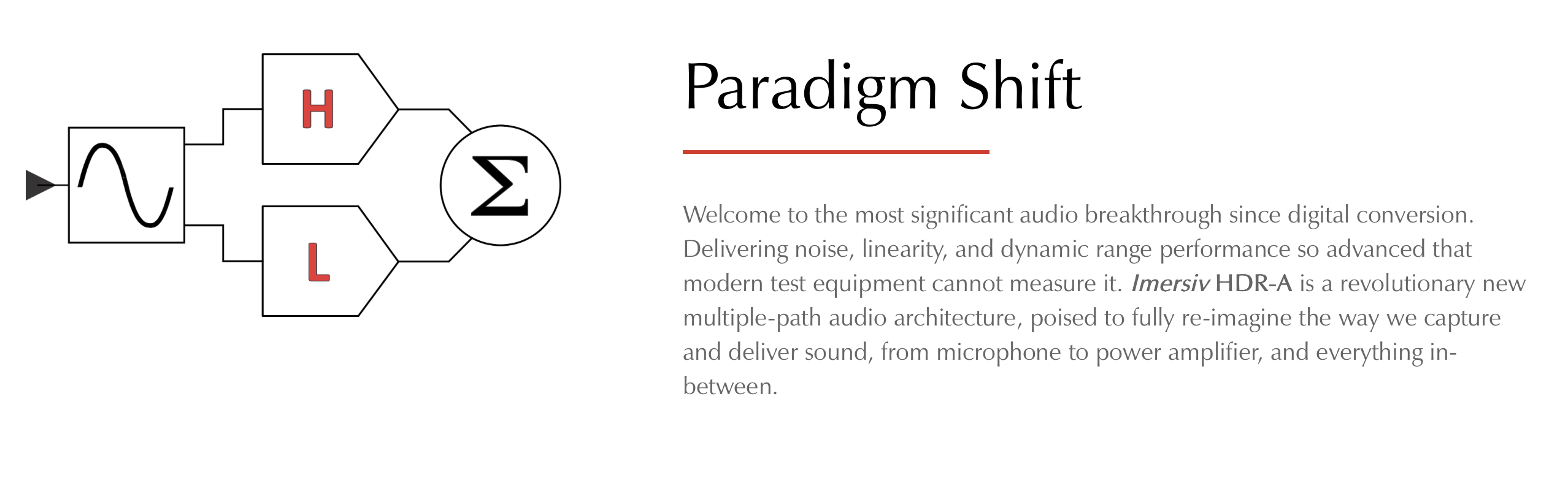
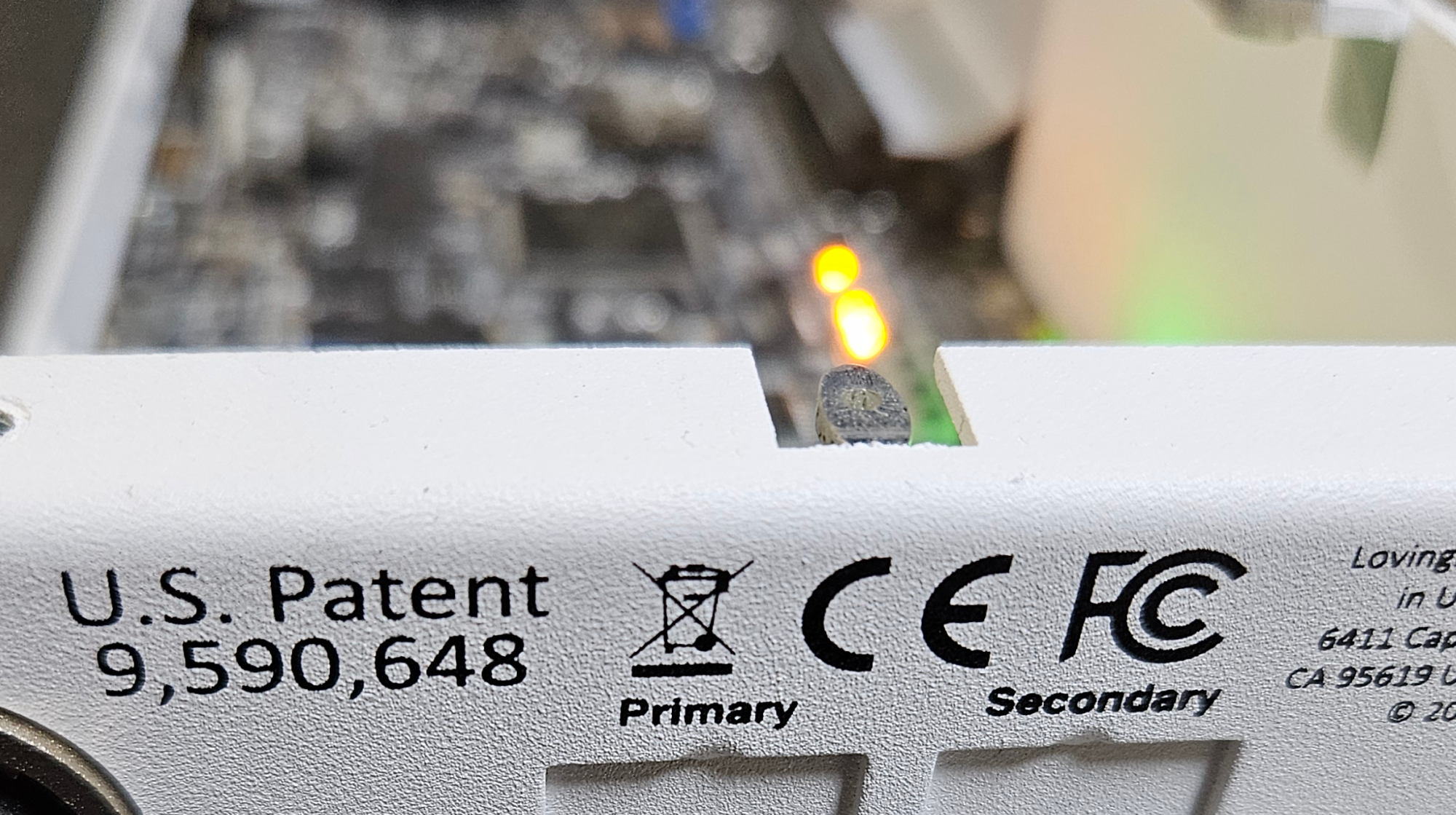
When I was asked if I wanted to review the new D-1 DAC from Imersiv, which uses their new and exclusive HDR-A technology, it was explained to me as a first-of-its-kind DAC. I was told it cost them a couple million bucks to bring this tech to life and that it even has its own patents. It is the first multi-path DAC created for HiFi home audio, using two conversion paths in a way that is very different from the usual single-path designs we see in DACs today.
The idea is not to simply throw another DAC chip into a box and call it a day. The D-1 uses its multi-path architecture to reveal more low-level information while lowering noise and preserving dynamics. In plain English, it is designed to let more of the music come through while keeping the background as quiet as possible.
The folks who make this DAC have always been into making audio gear, but not really of the home HiFi variety. They come from the pro audio world, where they have made preamps and other tools for studios and working musicians. The D-1 is their first product that crosses over into both pro audio and home audio, and it is indeed very, very special.
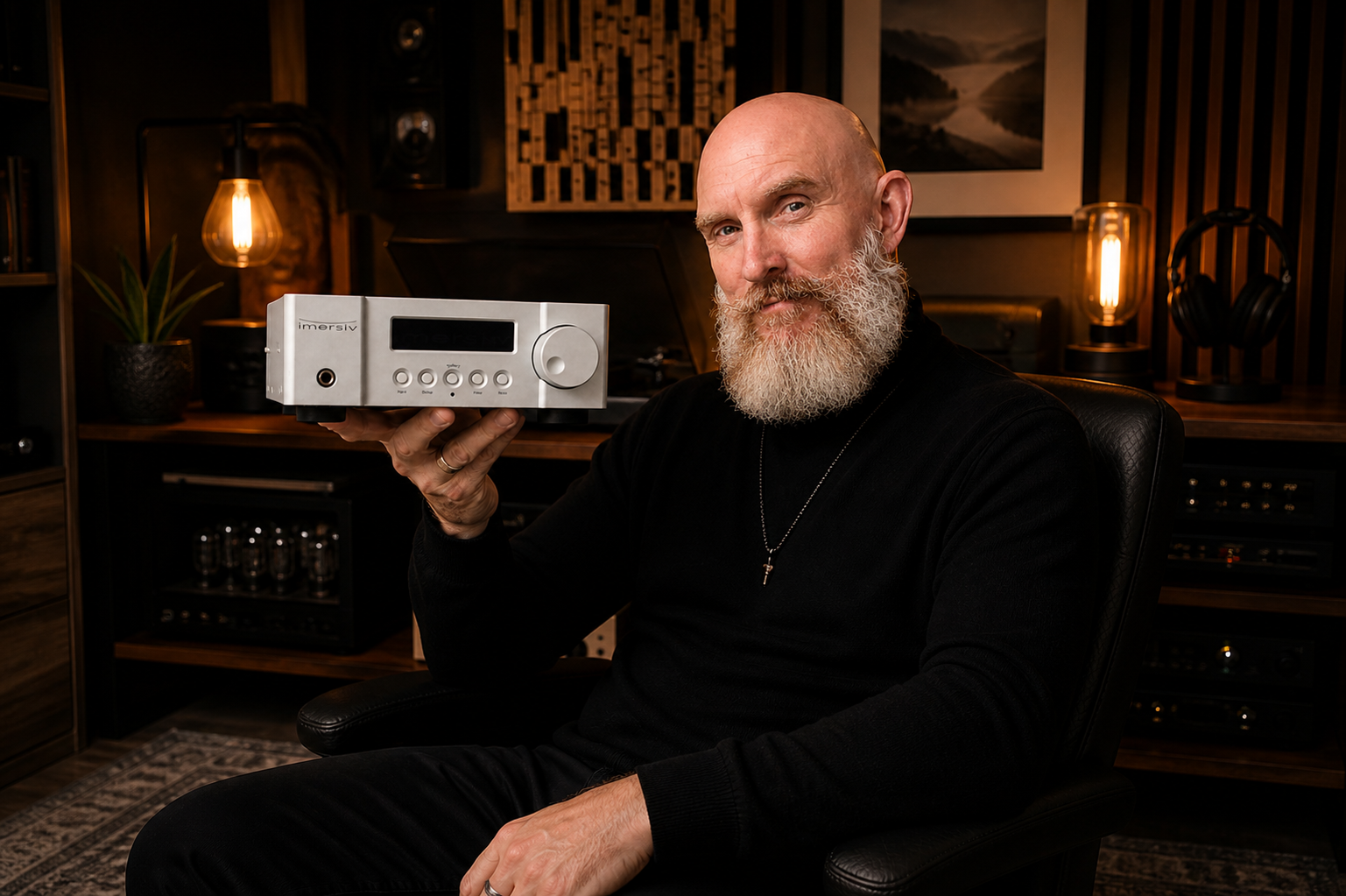
So much so that the one I have here is staying for the long haul due to what it can do and how much it costs to get this level of sound.
Way less than what it competes with.
I can go on and on here and make this a 15k-word review, but I will try to keep it reasonable and give you guys the meat and potatoes of what the D-1 DAC is about in about 1/3 of those words. For those who want a little spoiler early on, this DAC is around $12k but competes with DACs that cost $20k-$25k and up. Even so, it remains different from the rest.
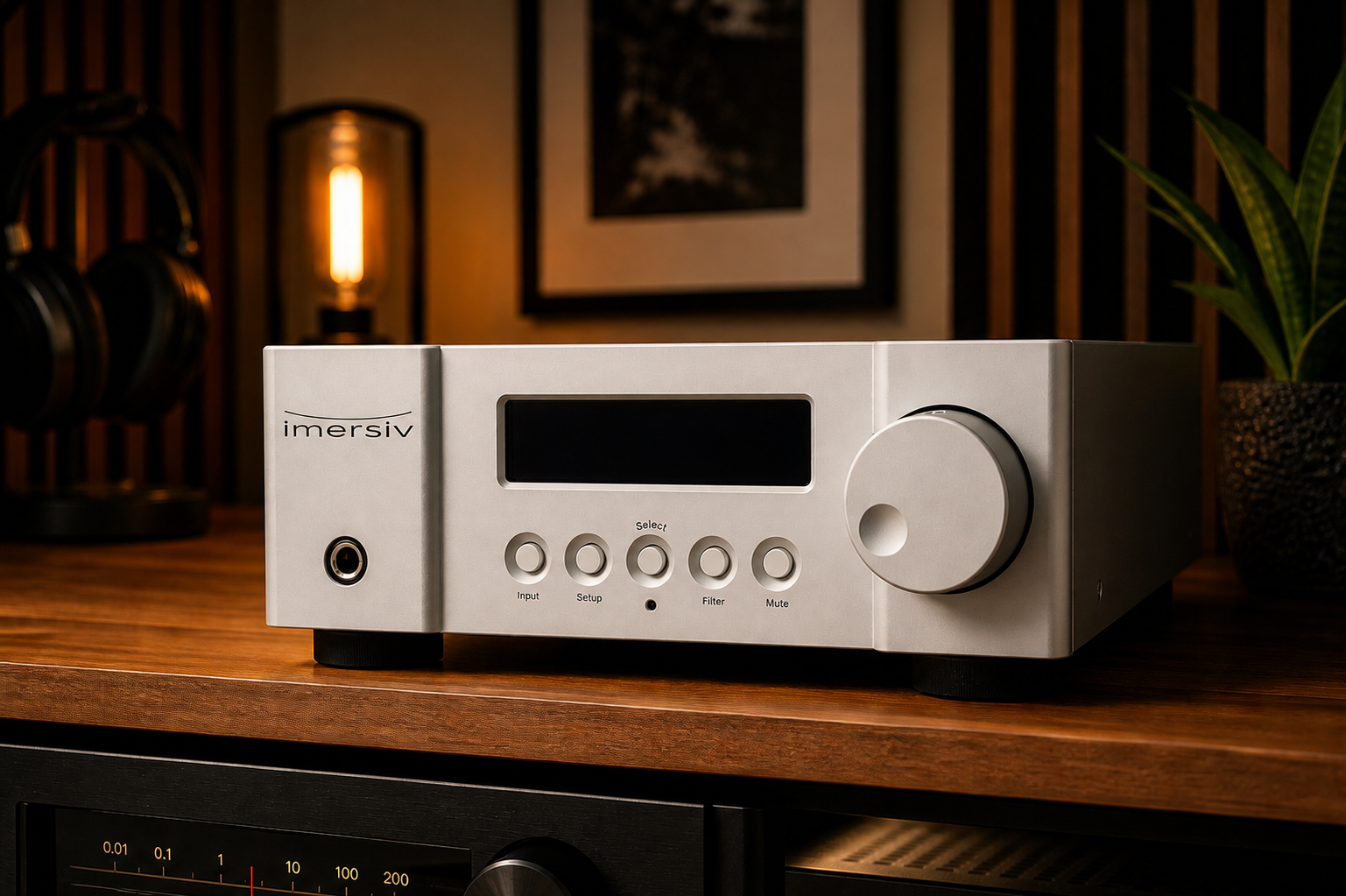
Specs of the D-1
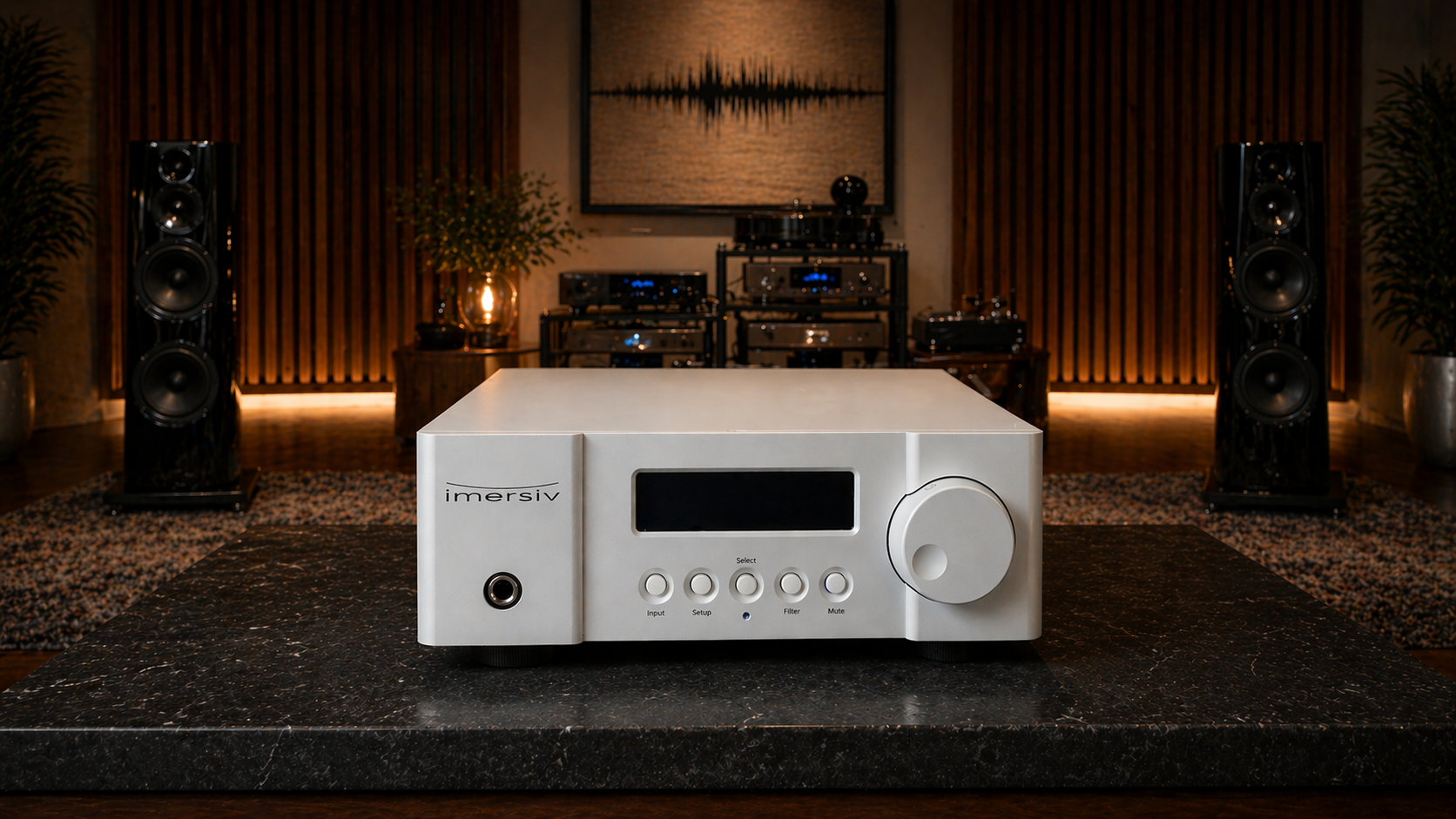
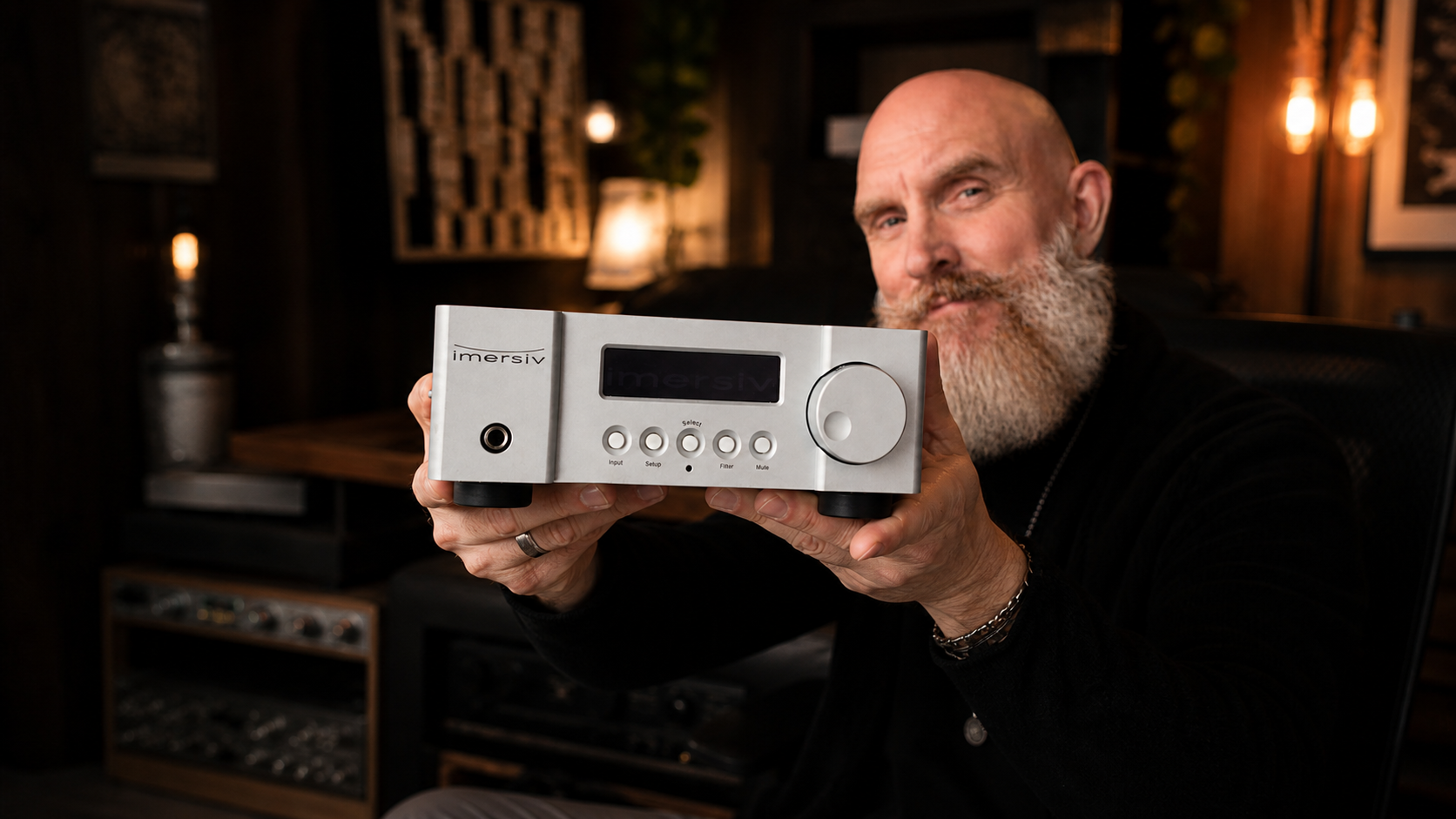
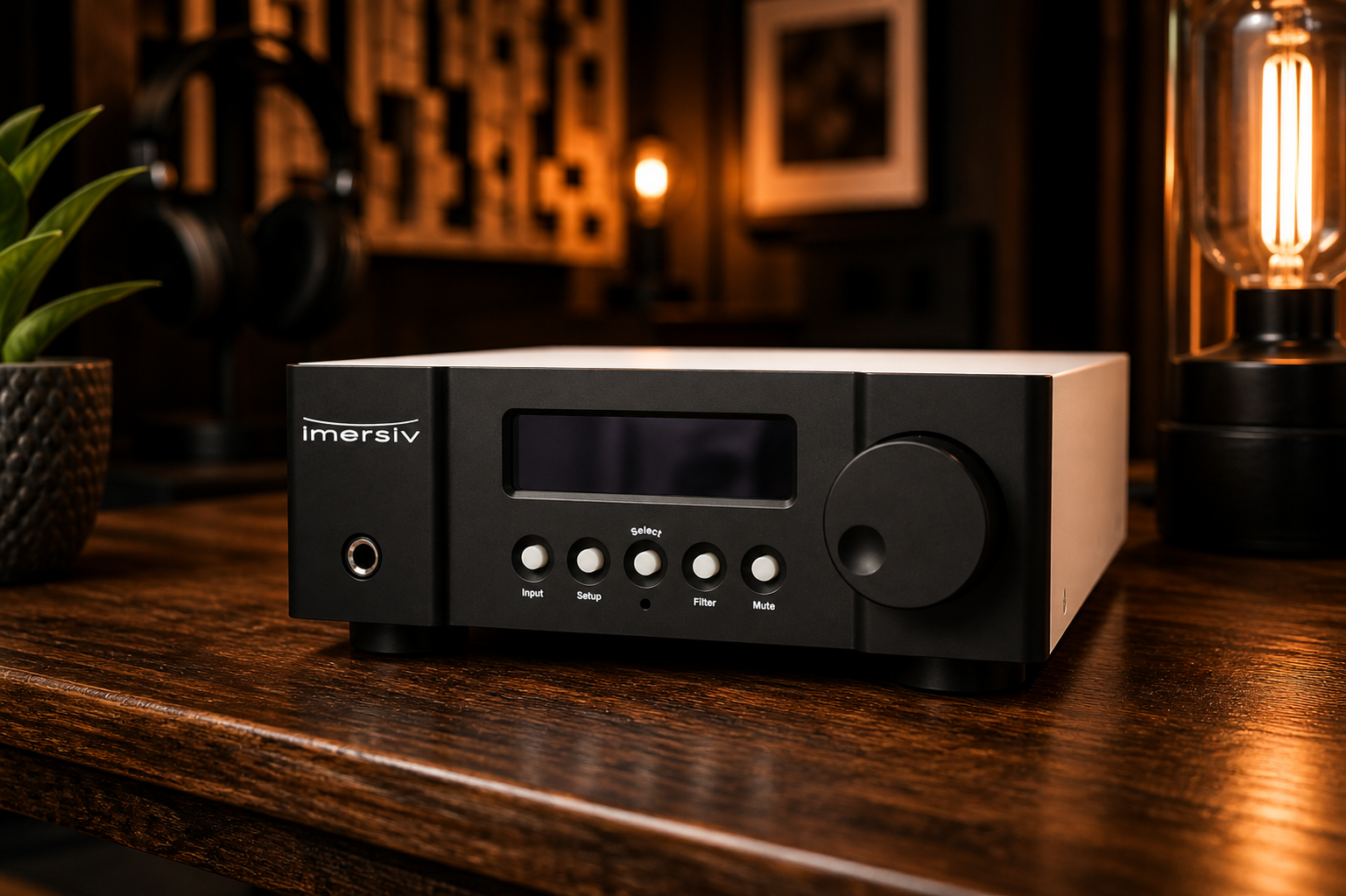
The Imersiv D-1 is a high-performance multi-path DAC designed for ultra-low noise, high dynamic range, and extremely high linearity. It is a 1.5U/half-rack style component that can be used on a desktop or in a rack setup, and it feels more like serious pro gear than boutique HiFi jewelry.
I asked Google what was so special about the Imersiv D-1 DAC, and the basic idea that came back was this: the D-1 uses patented multi-path High Dynamic Range Audio technology to achieve extremely low noise and very high linearity compared to traditional single-path DACs. This is it, my friends, and why Imersiv says their D-1 is different and better than the rest of the pack.
This DAC has a seriously high dynamic range, hence the reason for the HDR-A branding. The low noise floor is also quite incredible. So low, according to the company, that modern-day test equipment cannot fully measure how low it goes.
As for files it can play, it can play them all. You can set to upsample or play without it, I prefer to not use the upsample mode. Also, the D-1 will do DSD over USB only and when it does, it converts to PSM. So this is not a DSD purists kind of a DAC.
More on this new tech: the Imersiv D-1 does not split the music into bass and treble or anything like that. This is not a tone-control trick. It is not a multi-band EQ kind of thing. Rather, the architecture deals with different signal levels, using a low-level path and a high-level path to lower noise and distortion while maintaining headroom.
So my job was simple: find out if all of this new tech relates to real-world performance improvement.
Would this compact seven-pound, $12k DAC compete with the close-to-double-the-cost Audio Mirror Wave Tube DAC? The hype I was hearing was very real with the D-1, so I was excited to see how it did in my setup.
The Most Memorable DACs I own or I Have Owned
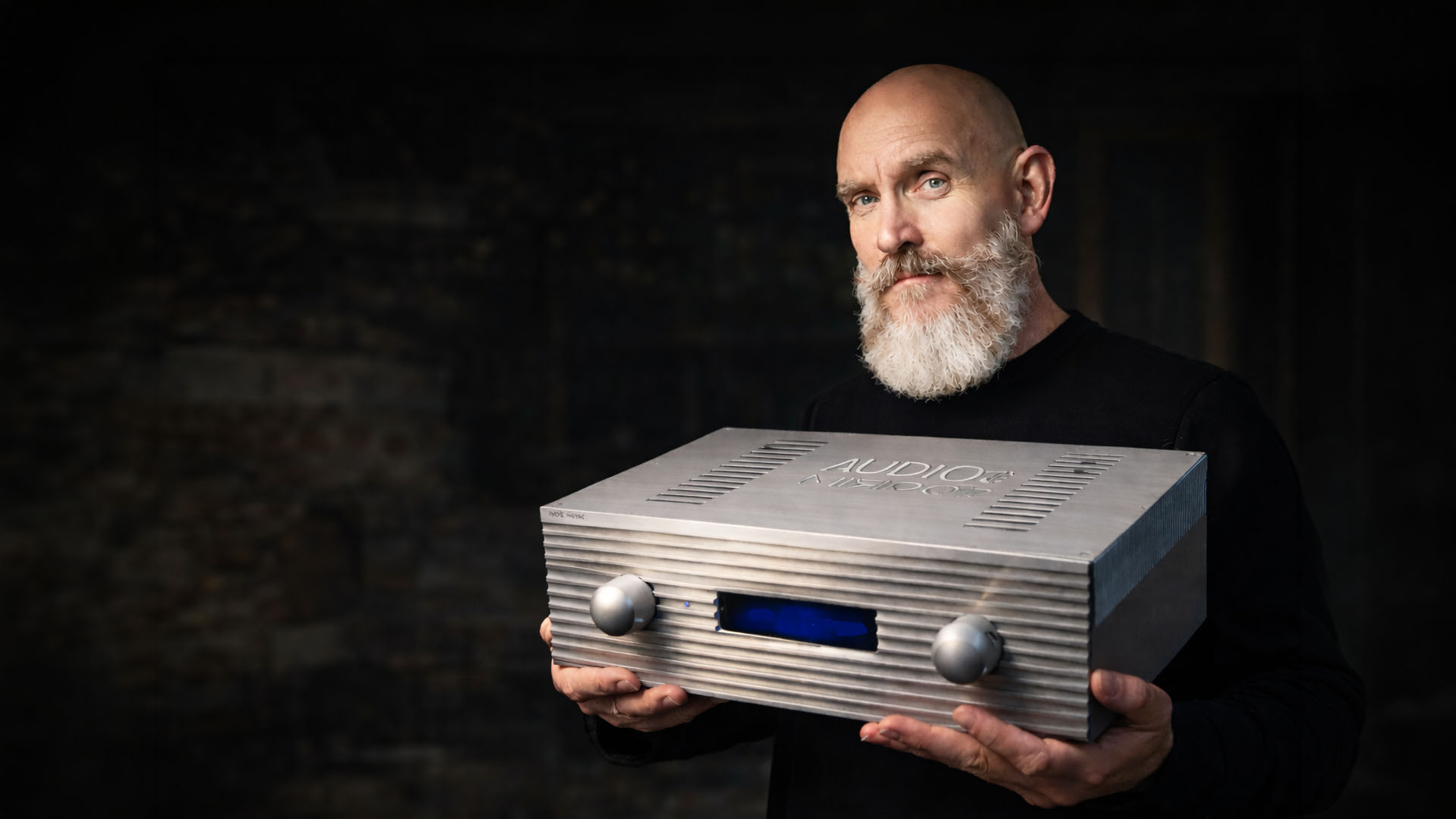
Over the decades I have heard many DACs, but it has been the last decade or so where I have really seen technology move forward in this segment of HiFi. There are DACs that cost $20 and some that cost $150k, or more than a small home in a small rural Midwest town. Each has its place in the HiFi world.
Those affordable DACs that are cheap, say $25-$100, can be fantastic for someone building a starter system for a few hundred dollars. But in no way would I ever place a $25 DAC in a $10k system, as I feel a $1500-$3k DAC would be more appropriate in a system at that level.
As your system grows and improves, the DAC can really change the signature and bring more refinement, spatial qualities, immersion, body, less fatigue, and all-out enjoyment.
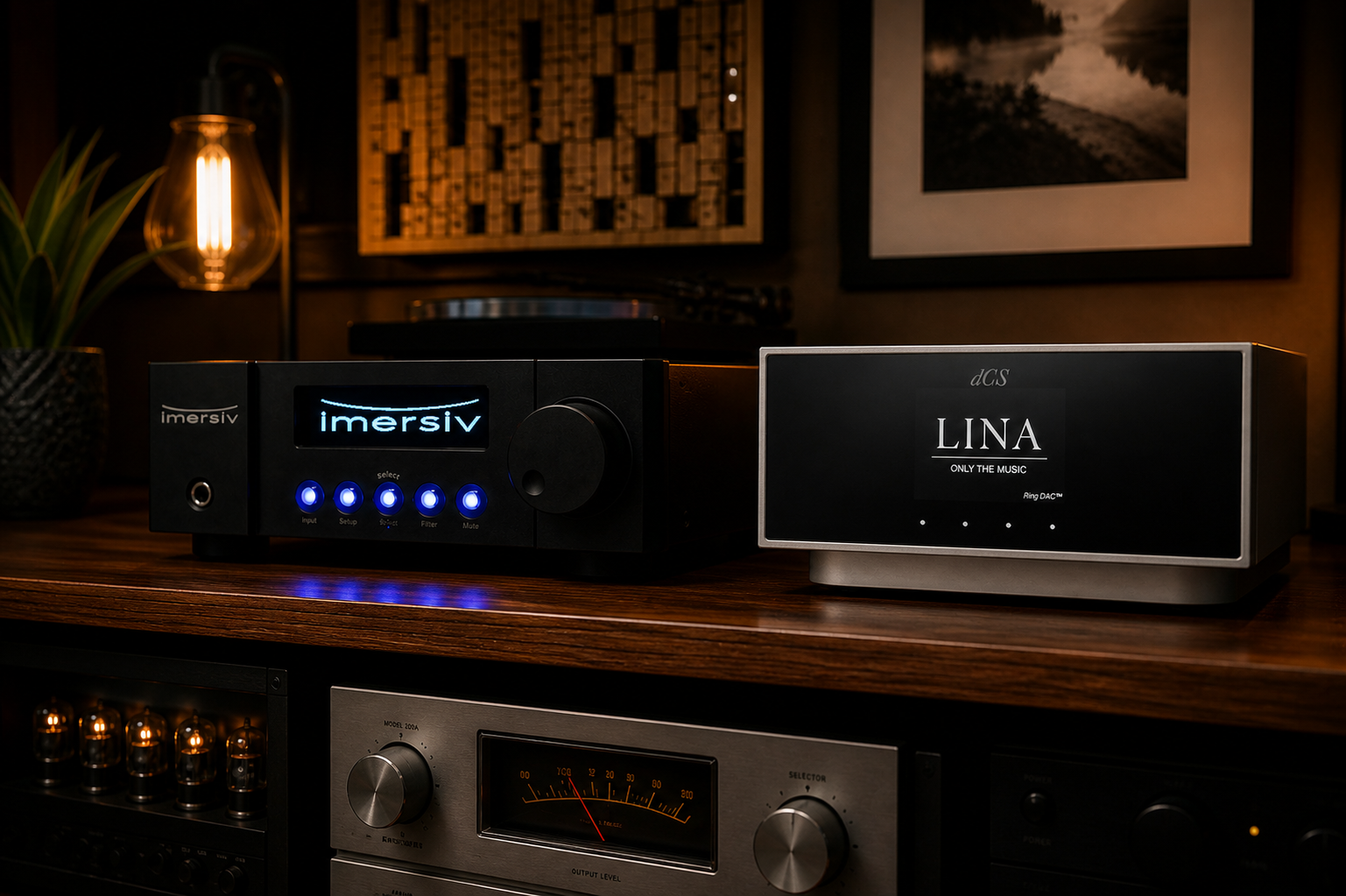
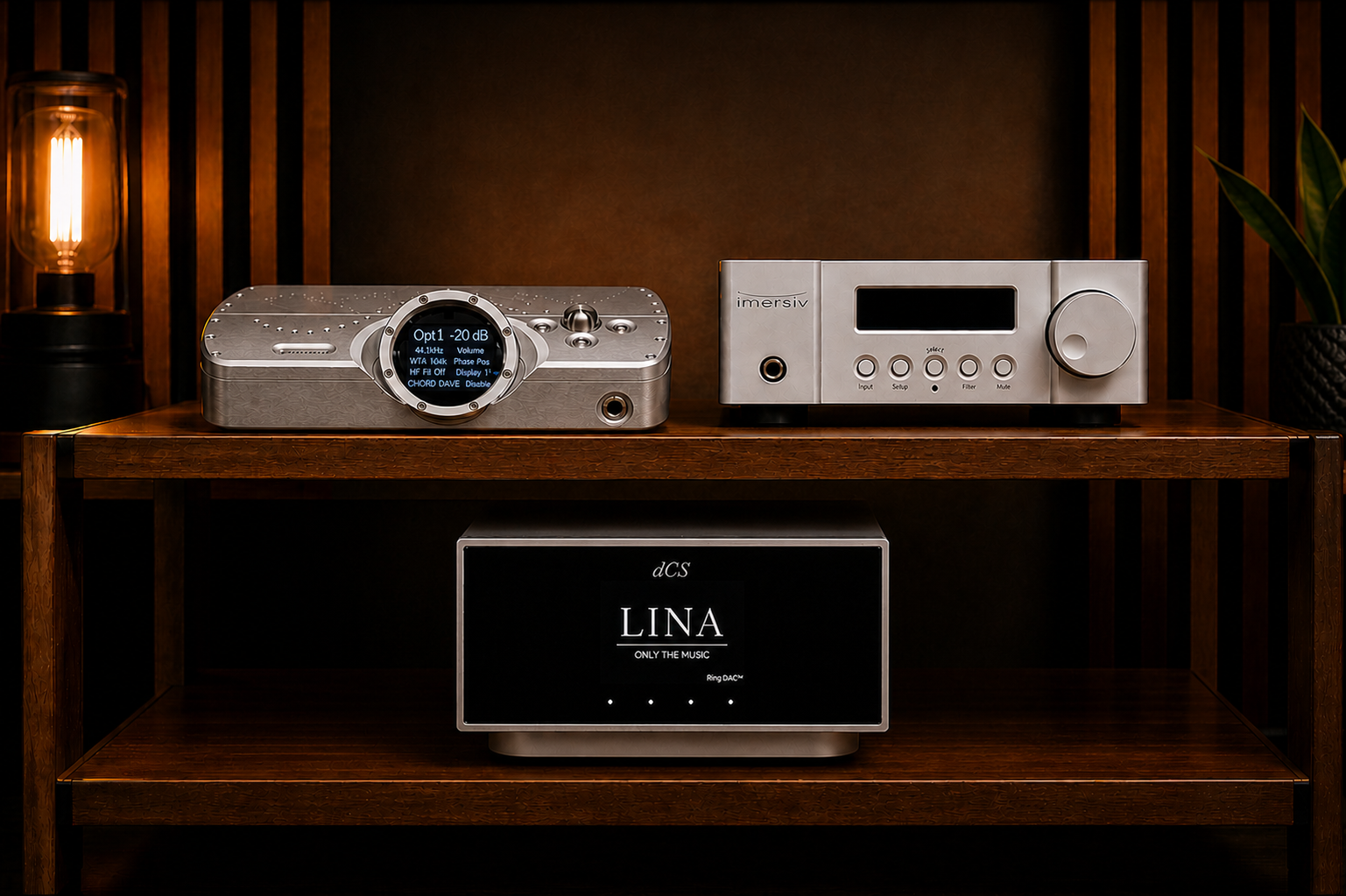
The best DACs I have had here have all been of the higher-end variety, though a couple at lower price points sounded great too. Overall, the Audio Mirror Wave DAC is the best I have heard in this realm of converters. I have also enjoyed the dCS Lina with the dCS Clock, and that comes in at my number two. The Chord DAVE was a very “WOW” DAC back when I first heard it, but today when I hear it I feel it is still a top-tier DAC, just not quite the best I have heard.
The only one that has been super transformative in my space until now has been the Wave.
I also like the much more affordable Garlubidor Divinity at $1600, and while it is leaner, not as refined, and not as spatial as those above, for the price it is a really great DAC and would not be ashamed to sit in a $10k system.
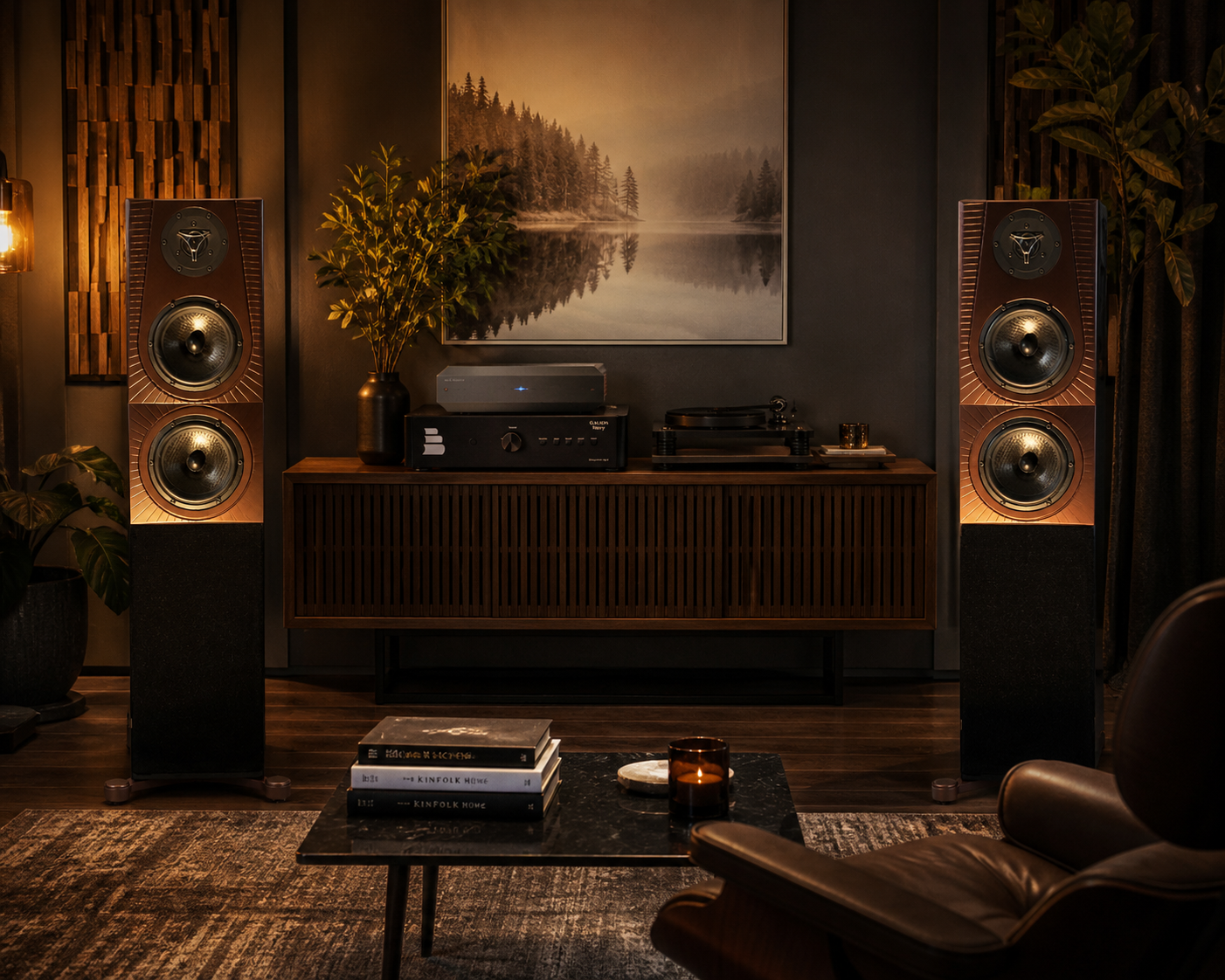
As I sit and listen to the system I have in place right now, which consists of SV Gro speakers, a ModWright KWH 225i Integrated, and a Matrix NT-1 streaming setup with SC-1 clock and SS-1 Pro switch, I realize I am looking at a serious high-end system without the DAC even being in place. In this system, I would not want to place a DAC that is not up to the level of the rest, as that would create the bottleneck in the system. No, this system needs a great DAC to really bring out the best of all the components.
As I listen now with the Audio Mirror Wave DAC in place, this makes the system rise to a wild retail price, and that is crazy to think about. But it is not crazy when I sit and listen to this system, day after day. Even if I place in my Burson Timekeeper Voyager mono amps, the sound is as good as I have ever heard music in my space. Better than when I had an exotic-level $175k setup in here.
So no, it is not always “the more you spend, the better the sound.” But many times it is, especially with a DAC.
I listened to this setup for the last couple of weeks straight, and I was about to make one change: replace the Audio Mirror Wave DAC with the Imersiv D-1. I have had the D-1 here now for five or six weeks, but only with the SV Gro and ModWright for a couple of those weeks. Before that I was listening with the Burson amps and the T+A Talis R 330 speakers, which are my small two-way reference, and it left me wildly impressed with that setup.
Diving In
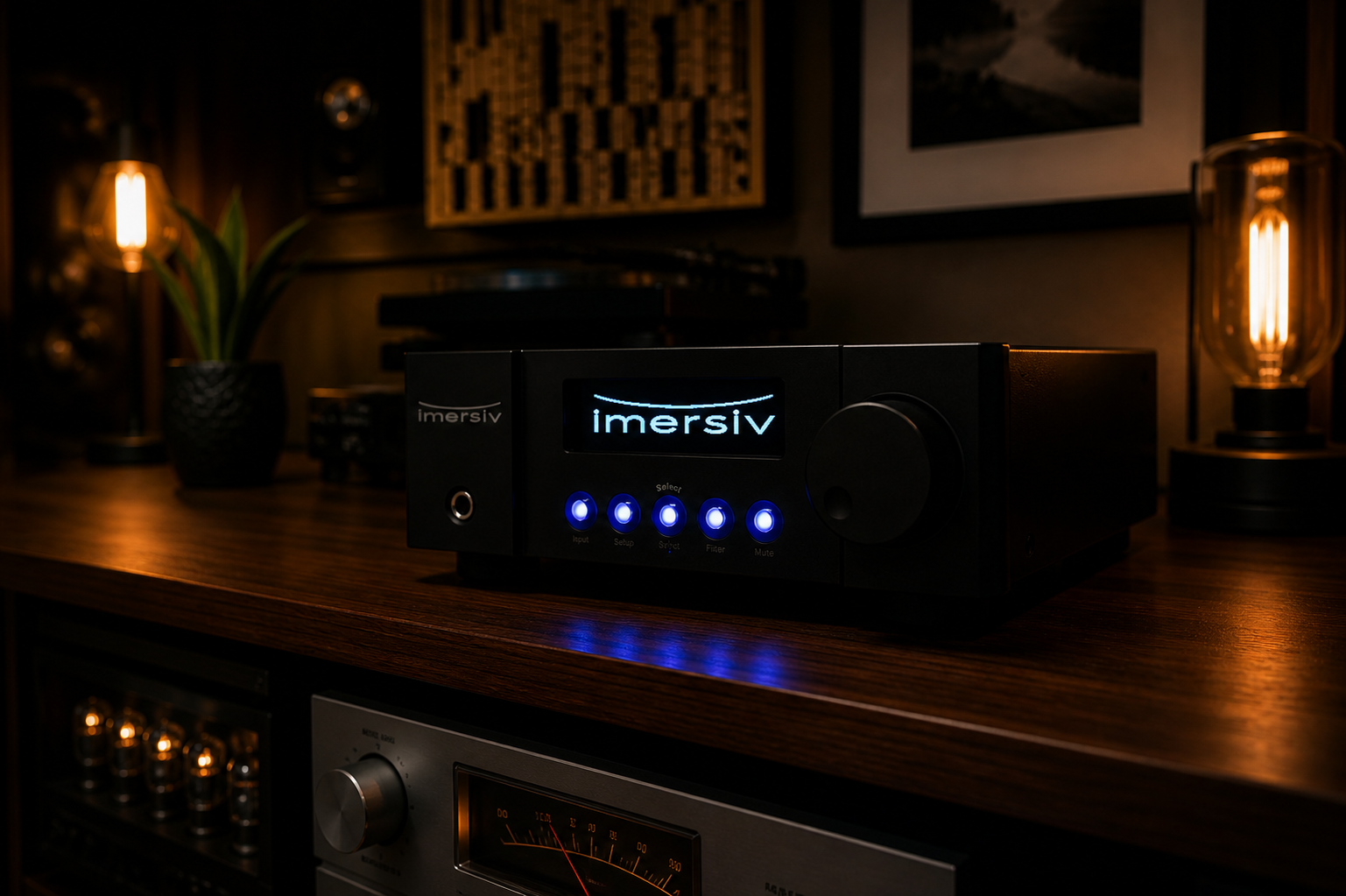
It was around 11:23PM when I fired up the system mentioned above. The ModWright integrated, the Matrix streaming setup, the drool-worthy SV Gro speakers from Denmark, and now the Imersiv D-1 DAC in place of the Wave.
Right off the bat, the sound was different. Not better or worse, just different.
With the Wave I hear an almost alive, electric, very detailed kind of vibe. With the D-1 I hear more warmth in the midrange, so that area is a shade or two darker than the Wave. I hear slightly more bombastic bass, but also cleaner bass. It is not often I hear such a change in bass with a DAC, but the Wave and the D-1 are champions in this regard no matter the speaker I use. The D-1 may have more control, so the bass sounds cleaner and faster, yet just as bombastic.
The details are not quite as three-dimensional with the D-1 versus the Wave, but there is something I am hearing that got my attention. With the D-1 there is an eerie calm-like quality over the sound. Even if I listen to high-energy music, the noise floor is so low it sounds as if each sound, instrument, and voice is appearing from blackness, even more so than with the Wave.
Treble is smoother with the D-1 and a bit more open with the Wave. The soundstage size is similar, but the D-1 stage is not as tall as the Wave.
So far, this $12k DAC is hanging right with the $22k Wave DAC, just showing some differences. The dynamics seem more exciting with the Wave and smoother with the D-1. The Wave also has a little more of a rounded sound due to the tubes.
I will admit that on the first night I preferred the Wave by a small margin. After a couple of weeks, though, the D-1 started to get me for a few reasons. It also bested the Wave with its preamp function, and it did so quite easily.
Living with the D-1 Daily
When you choose a DAC, I always recommend going with your heart, your gut, and finding one that works and plays well with your own system and room.
The D-1 is meant to compete in the higher-end realm, for those with speakers, amps, and a source that can exploit what it can do. If I place a D-1 in a $2k system, yes, the sound improves greatly, but it can get much, much better still with better gear to support it. This is a DAC that can easily play in a $100k system and be endgame. It can also sit in a $50k system and be endgame. It can provide magic in a $20k setup as well. It is a DAC for any mid- to high-end setup, and what it does is add instant refinement to your digital music streaming. This sounds like a true high-end DAC.
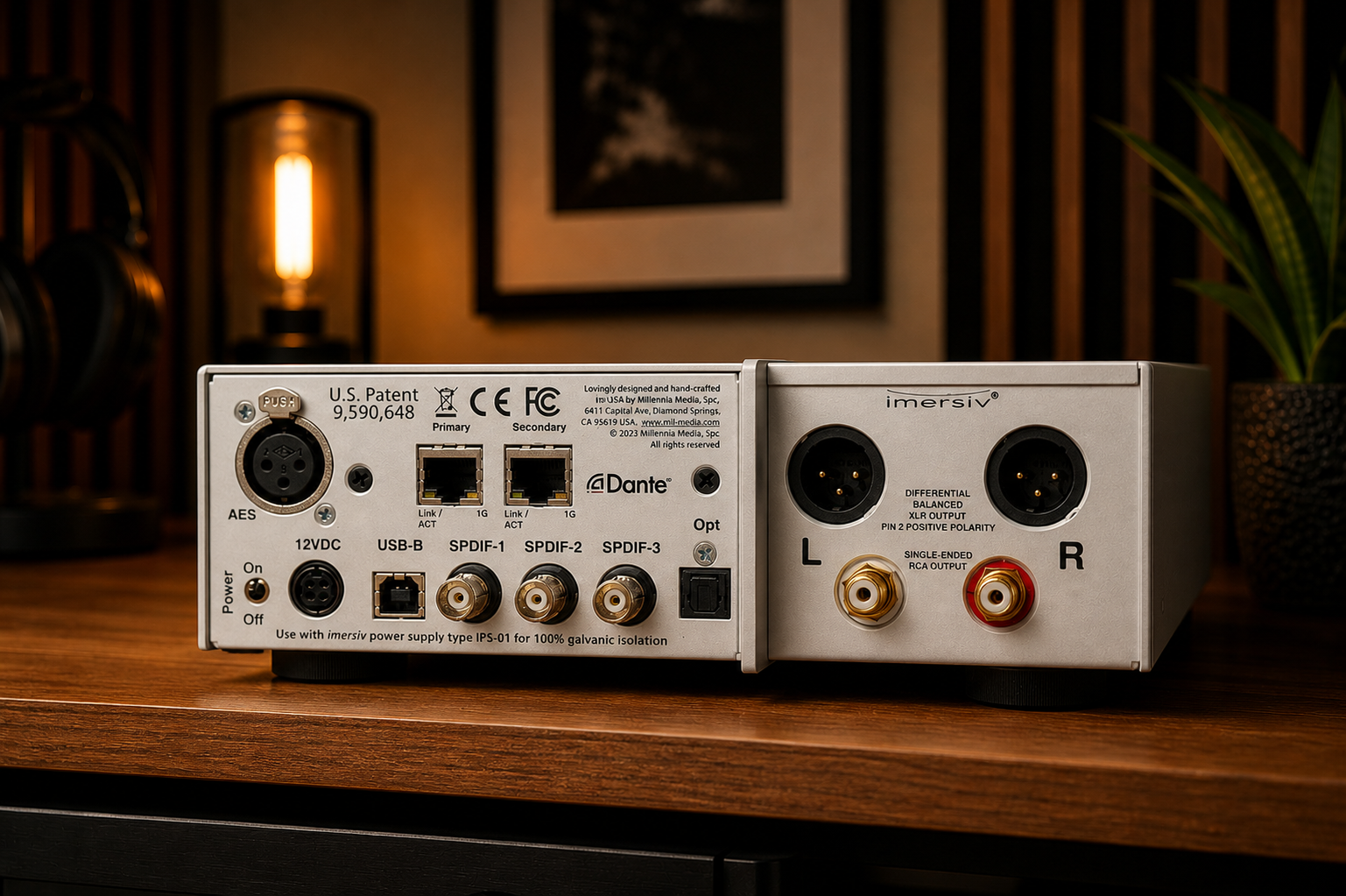
One thing that is said about the D-1 is that it will do and sound its best through its balanced outputs. In order to get the full benefit of the multi-path design, which is what makes this DAC so special, you will want to use XLR connections. There are RCA outputs here, but if you use RCA you are not getting the D-1 in its best form.
If you can only use RCA interconnects, you can still get the most from this DAC with the transformer breakout box that is sold as an accessory. That box converts the output for RCA use while still allowing the D-1 to work the way it was designed to work. I tested it with the box using RCA and also using XLR.
I was also told to get the all-out best experience with this DAC by trying it direct into amplifiers. In other words, do not use a preamp, but rather use the one built into the D-1.
I did that as well, and can say now that this is the best preamp section I have ever experienced in a DAC. I have heard many DACs used this way, and I have never found a DAC I truly liked going direct to amps until the D-1. It is amazing used in this way and brings with it no compromise at all.
With my reference Class A Burson Timekeeper Voyager mono amps, I used the D-1 direct via XLR. The D-1 comes with a small plastic remote that allows you to change volume, filters, and more. Going direct to these amps was a treat indeed and brought even more musical vibes. Richer, smoother, and more spatial still. Using the D-1 in this way was about as close to perfection as I have gotten from a digital source.
When I say there is no noise here to be found, I mean it. Even going right up to the tweeters of the 90dB SV Gro speakers, I heard silence. Same with the T+A Talis R330 and Fleetwood Helios, which both sounded amazing with the D-1.
I love these amps for so many reasons, but the low noise is one of them. When paired with the crazy low-noise D-1, the blackest of backgrounds can be experienced.
I was enjoying the music with the SV Gro and my smaller speakers, but these Gro speakers are pure magic indeed. Surreal performance with the D-1 and Burson combo. Almost spiritual.
Compared to the Audio Mirror Wave DAC using a preamp, the D-1 was now closing the gap with the Wave. Still quite different in sound, but now I was being just as immersed as I was with the Wave, only with a smoother top end, a little more meat in the mids, and an explosive but super-controlled bass quality.
As I sat here listening, I could not choose a favorite DAC between the two, though my heart was still floating toward the Wave. So yes indeed, the magic sweet spot with the D-1 is going direct to an amp via XLR. It hangs with the Wave even when using a preamp and/or integrated amp, but it brings that little bit extra when going direct.
No matter how I listened to the D-1, I always heard its special quality, which was a completely balanced sound from top to bottom with a very musical flow. Details, even small hidden ones, were unearthed with ease and life. There is nothing ever edgy, lean, grey, digital, fatiguing, or off with the D-1. It is an incredible DAC, and it is easy to hear that this new tech is doing something here.
As time flowed on and I listened more and more to the D-1, the more it impressed me. At the start of this I assumed this DAC would be analytical. It is not. I assumed it would be good but did not feel it would really wow me. I was wrong. It did, in fact, “wow me.”
I also assumed the preamp function would be another “same old, same old” preamp attached to a DAC. It is not. In fact, it is a very analog-sounding kind of endeavor. As a preamp into an amp, it bests the Wave for me, as the Wave sounds best with a dedicated preamp or inside an integrated. The D-1 volume control is much more refined and, well, better when going to an amp direct.
Listening Impressions
I sat one night to listen to an entire album by Les Duet Love Orchestra. This is not the kind of music I jam when I am in my car or hanging outside doing yard work. But when I sit and listen with intent and focus around 1AM, the album has really brought the feels in the past. It is well recorded, spatial at times, and has dynamics for days.
I had the ModWright KWH 225i integrated in with the D-1.
The album is called “King Kong,” and when “I Can’t Get Started” came on through the D-1, it reminded me quite a bit of listening to it with the Wave Tube DAC, but a touch darker in the midrange, a bit smoother up top, and tighter down below. It was, well… perfection in sound, if that is what you seek. There was also soul, emotion, and sweetness pouring from the SV Gro speaker drivers. Magic… refinement… beauty was all here, and in massive amounts. I sat and listened into the night all the way through.

There was just a purity to the sound here from top to bottom that was very pleasing. As I hit the track “Lujon,” the jazzy feel and sounds were wrapping me in a soundstage bubble of sorts, as this seems to be the magic trick of the SV Gro. There is immersion and an almost surrounding feel, with the music just floating through the space in the room, front to sides. Illusionary, sure, but very real indeed. The sound was never bright no matter the speaker, yet it was never warm nor even close to pouring syrup or honey from the drivers. The D-1 does not do offensive sound.
Going into “King Kong Blues,” I heard a smooth, big-scale sound, and I mean BIG. This is another trick that many high-end DACs can do, where the music fills the room so well it sounds as if the walls and ceiling have speakers built in. Vocals are rich and full-bodied but do not enter the middle of the room as they can with the Wave. Very natural and flowing.
By the end of the album, and enjoying other tracks such as “Fascination” for the delicacy and the way each instrument was easily heard and separated in space naturally, I was left seriously impressed with the D-1.

Moving to this track from Estas Tonne, I was in for a real treat with an exciting, dynamic listen. Here is where I heard what the D-1 does so well: allowing us to hear every detail, yet not in any kind of bright or hard way. It is natural, organic, and effortless. This track is amazing and will excite your senses if you listen loud.
This time I brought out the Burson Voyager mono amps and ran the D-1 direct.
The dynamics are off the chart, or should I say “Dynamic Range.” The soft-to-loud passages can startle, and with the SV Gro speakers I was in an audible heavenly state. My mind wandered into the music, and it was as if my body and soul were taken over by these sound vibrations hitting them. It was a real treat for the ears—and the mind, body, and soul.
I had to put the Audio Mirror back in, so I went direct to the amps, XLR, with it.
The all-out magic remained, and I now heard an even taller stage, with a more rounded vibe, just slightly more 3D. So yeah, I was getting a bit “more” from the Wave, but the Wave will set you back $9k more. When this track hits around the 3:25 mark, get ready, especially if you have it turned up!
All in all, the D-1 was bringing the all-out magic that these exotic-level DACs bring in a small and light box with a very easy-to-use and easy-to-understand interface.
The Imersiv D-1 Is
The D-1 is one of those components that does not jump out at you with one exaggerated trick. It does not scream “listen to my treble” or “look at my bass.” Instead, it lets the entire presentation breathe in a way that feels very grown up, very controlled, and very pure.
On vocals, the D-1 brings body and presence without pushing the singer into your lap. Voices have a natural density to them. Male vocals have chest and warmth. Female vocals have smoothness, air, and ease. There is no glassy edge, no digital sheen, and no spotlighting that makes you impressed for ten minutes and tired after thirty. This is huge and important.
With acoustic music, the D-1 is beautiful. Guitar strings have texture but not etch. Piano has weight and scale. Cymbals have shimmer but they do not spit. This is where that black background does its thing. Notes emerge, bloom, and decay into silence in a way that makes the music feel more complete.
With electronic music or more dynamic recordings, the D-1 can slam. This surprised me a little. I expected refinement, but I did not expect this kind of bass control and grip. Bass notes start and stop with authority. There is less blur. Less overhang. More control. Yet it never sounds dry or sterile.
This is where I kept thinking about the HDR-A idea. In photography, a great modern sensor lets you see deeper into the image without making it look fake. The D-1 does something similar with sound. It reveals, but it does not bleach the soul out of the music. It shows more, but it still feels human.
That is the trick here.
Compared to the Audio Mirror Wave
The Audio Mirror Wave remains one of the most special digital products I have ever had in my home. It has a tube magic, a dimensionality, and a live quality that is rare. The Wave throws a taller stage, has a more rounded feel, and does depth in a way that is quite remarkable.
The Imersiv D-1 does not sound like a tube DAC. It does not try to. It is cleaner, quieter, more controlled, and in some ways more refined. It has a smoother treble, a denser midrange, and bass that is tight, fast, and explosive when the track calls for it.
The Wave is a bit more alive and open. The D-1 is a bit calmer, quieter, and more controlled. The Wave paints with a touch more glow. The D-1 paints with a touch more precision and blackness.
Both are amazing. Both are different. That I can even compare the $12k D-1 to the $22k Wave says a lot right there.
Using the D-1 as a Preamp
This deserves its own section because it may be the biggest surprise of the D-1.
Most DACs with volume controls are fine. Some are good. Some are even very good. But many of them, when used direct to an amp, lose some body, flow, or drive compared to using a great preamp.
The D-1 is different.
Going direct from the D-1 to my Burson Voyager mono amps via XLR was not a compromise. It was a highlight. The sound gained purity, focus, and that direct connection to the music that can be hard to get when adding another box and another set of cables into the chain.
The volume control is refined. The sound does not collapse at lower levels. It does not get thin. It does not lose life. This is where the D-1 became more than just a DAC to me. It became a true control center for a high-end digital system.
If you have a great power amp and want to build a serious high-end digital system with fewer boxes, the D-1 should be very high on your list.
Conclusion
The Imersiv D-1 DAC is getting some attention right now for good reason. It is special in a few ways.
First, it is the only DAC of its kind using multi-path tech in this way. This is not the same old DAC recipe in a new box. The D-1 uses a new architecture to boost dynamic range and lower noise to levels that are, according to the company, beyond what current test equipment can fully measure.
Does this really make music sound better within a HiFi audio setup? In my system, that would be a big yes, as the D-1 brought with it a sound that was everything I enjoy wrapped up into one easy-to-use and reliable box.
It sounds refined, so there is no digital hash, edge, or grain.
It has body and is not lean, yet it is also never bloated. It is balanced from top to bottom.
The bass control is real. Tight, fast, yet explosive when called upon. No slop.
Treble is smooth, and there is a hint of warmth here as well, but this is not a “warm” DAC, nor is it an analytical one.
This D-1 DAC excels in all areas. It is spatial and throws a big wide stage that also images like a champ. Yes, it does 3D, though not quite to the level of the Wave. While the Wave Tube DAC is more rounded and throws a taller stage with a cleaner sense of instrument separation, the D-1 is just as musical and brings its own touch of special magic.
The D-1 is a DAC that is sending a message to those exotic-level DACs, and that message is, “I’m coming for you.”
The D-1 now sits with the Audio Mirror Wave for me as one of the best I have heard. I prefer it to the Chord DAVE and dCS Lina, and I have it tied in some ways with the Wave, besting it in preamp function and all-out refinement. The Wave bests the D-1 with a more live, open feel and the way it does depth.
If you want the best DAC with a preamp for direct amp use that I have heard to date, the D-1 is it for me, end of story. I just loved it going direct to the Burson Voyager mono amps. It was also superb going into the beautiful ModWright KWH 225i, where it delivered a more dynamic and punchy sound versus the smooth and silky presentation with the Burson.
There is nothing at all offensive with the D-1 in sound. No matter what speakers you own, warm or analytical, this DAC can adapt and somehow make magic with everything. It is also compact and light at around seven pounds, and it brings filters and features that allow you to tweak the sound somewhat, like the Weiss 501 MKII. But this one sounds better to me than the $14k Weiss. Yea, I would take the D-1 today over a 501 MKII, as I feel it is better as a preamp, better as a DAC, and has more usable features for this old guy. I love the Weiss DACs, but the D-1, for me, is the one I prefer. This is a more price-appropriate comparison, and for me the D-1 wins, as it is more organic and even more refined in sound. I should say “more magic” sits in the D-1.
I did not talk much about the filters here because I do not really use them. You can change them on the fly with the remote, but honestly I did not hear much of a change with them. So I left them off. I also did not talk much about going into the pro menu, where we can tweak more of the sound and shape it to our likes. We can add warmth even, but for me, using the DAC as it ships was the all-out best I heard it. I did not need to change a thing. When I did, I either did not hear a meaningful difference or it had a negative effect on the purity of the sound.
As is, out of the box, this is a stunner of a DAC and a true first of its kind. I do hear what it is doing and how it is different.
Today, digital can easily surpass any analog rig with the right streamer and DAC, and what I am hearing from the D-1 and Matrix setup is one of those combinations that leaves me listening deep into the night. These SV Gro speakers that are in for review from Next Level HiFi are also not helping me with my goal of no more speaker purchases for a year. These are all-out magical little boxes that are almost unreal in what they do. Just as I have never heard a DAC quite like the D-1, I have not heard speakers quite like the Gro from SV Audio.
I will say this: if you are building a high-end streaming system or already have your end-game setup and are thinking of a change, I can 100% recommend the Imersiv D-1 DAC. It is a game changer in many ways.
If you use XLR already, perfect. If you use RCA, I recommend the D-1 with the transformer box that is sold as an accessory. This will allow the D-1 to be used in the way it was designed to be used. Even going RCA out to the amps was excellent, but for the all-out best from the D-1, XLR is a must. That is just how it was designed.
Oh, the D-1 also houses a headphone amp, and I did not test this as I am not a headphone guy. As it is, just for the DAC alone, the price is worth what this costs. Add in the excellent volume/preamp section and the headphone amp, and you now have a bona fide $12k HiFi deal here for a DAC that sounds more like a $20k+ box.
The D-1 is the real deal. While I cannot say it bests every DAC ever made, as I have not heard them all and sound is subjective after all, I will say it is as good as any high-end big-money DAC I have heard.
If you value refinement, no digital glare at all, body, groove, flow, and a musical nature, the D-1 delivers. If you also like a holographic stage with depth, the D-1 does that as well, though maybe not quite as deeply as the very best $20k+ DACs. But it easily hangs with that crowd. If you want a killer preamp included, this one is the best I have experienced.
After weeks with the D-1, I could not decide if I liked the Audio Mirror Wave better, and that says a lot right there, as the Wave, up until now, was the best I had heard in my 40 years of being in this hobby. I cannot pick a favorite, and this is why the D-1 is staying as my main direct-to-amp reference DAC.
It is special, and no DAC I have heard under $20k gets close to it.
If you feel you want to jump, I would give serious thought to doing so before they decide to raise the price. I have no idea if they will, but this DAC is gaining steam from word of mouth, and when this happens in audio, I often see prices rise. If you already have a high-end system and feel your DAC is not up to snuff with the rest, I would give serious thought to the D-1. At $12k it is expensive, but it is well worth it if you can swing it.
The D-1 from Imersiv is a modern-day HiFi masterpiece.
End of story.
See more about this tech and the D-1 DAC HERE.
No, I was not paid, nor did I charge for this review. I do this for the love of it, with the hopes money may somehow follow in some way other than charging for reviews.